
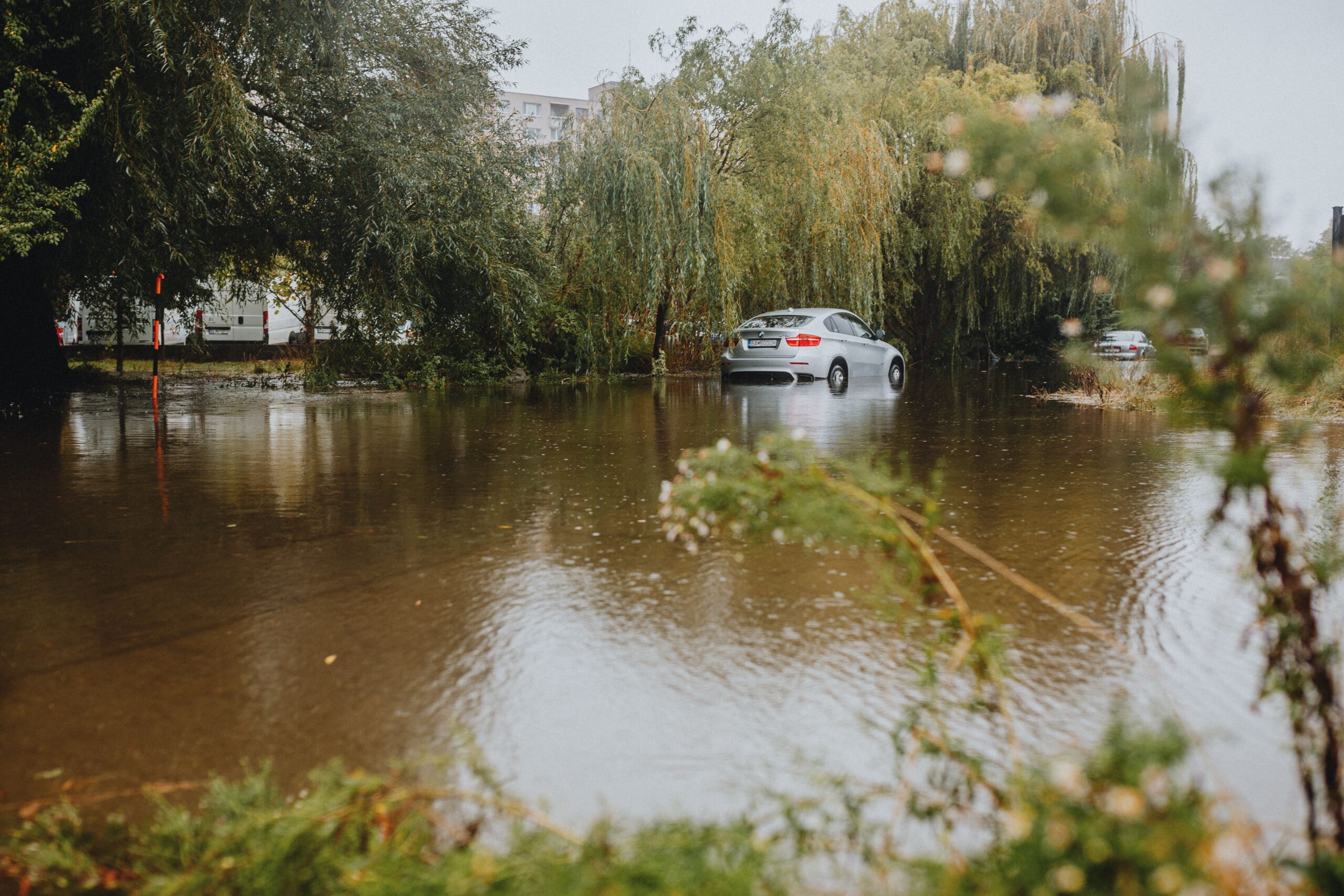
A flood sensor Singapore building managers install before the rainy season does one simple thing: it tells you about water while it is still a puddle, not a disaster. Singapore’s wet phase of the north-east monsoon usually runs from November to January, and November has already delivered flash floods. PUB reported a flash flood at the junction of West Coast Road and West Coast Way on 10 November 2026, and issued flood risk alerts for several other locations that afternoon. For owners of basements, underground carparks, plant rooms, and ground-floor shops, a flood sensor Singapore properties can monitor around the clock buys time to act.

Photo: Helena Jankovičová Kováčová / Pexels
Why a Flood Sensor Singapore Owners Choose Matters This Season
According to AsiaOne’s report on 10 November, the flash flood at West Coast Road subsided by 3pm, but alerts for areas such as MacKenzie Road, Balmoral Road, and Bencoolen Street ran for hours that afternoon. The Straits Times reported on 13 November that PUB launched its third annual flood-resilience campaign on 12 November with new measures, including new road sensors and a remote-controlled pump vehicle for inaccessible spaces such as underground carparks and shopping centre basements. The campaign’s message is that flash floods can happen anytime and anywhere, especially in low-lying areas when heavy rain overwhelms drains.
The weather outlook points the same way: the Meteorological Service Singapore expected moderate to heavy thundery showers on most days in the first half of November, with rainfall slightly above average.
5 Proven Ways a Flood Sensor Singapore Facilities Use Cuts Flood Damage
1. It detects water where you cannot watch
Sump pits, lift pits, plant rooms, server rooms, and basement corners are rarely checked during a storm. A sensor placed at floor level reports water the moment it appears, so the first person to know is the one who can act.
2. It sends an alert instead of waiting for a patrol
Collie’s Waterproof Flood Sensor 3 is described as an IPx7 waterproof Bluetooth Low Energy beacon with a flood sensor. The sensor head sits on a 1 metre cable, and it detects liquid leaks or flooding in places such as bathrooms, kitchens, and industrial areas. When water reaches the probe, the beacon transmits the change, which can be passed on through a gateway.
3. It can tell a leak from a rising level
The same product lists liquid height detection, meaning it can detect when liquid is above or below a certain level. That helps distinguish a small leak from rising water that needs an urgent response.

Photo: Pedro Dias / Pexels
4. It runs for years without maintenance visits
The product page lists a typical battery life of over seven years with a standard beacon setting of one transmission every 30 seconds, powered by a CR2450 battery. An operating temperature range from minus 20 to 75 degrees Celsius and more than 100 metres of range in open space are also listed. Treat these as best-case figures and check them in your own building, since walls, concrete, and basements reduce wireless range.
5. It joins your wider monitoring setup
Alerts matter most when they reach the right people. Collie’s beacon range includes gateways that scan BLE beacons and upload data to local or remote servers over protocols such as TCP, HTTP(S), and MQTT(S), as described on its beacon devices page. That lets flood readings sit with other site data. See the Waterproof Flood Sensor 3 page for the full specification.
Where to Place a Flood Sensor Singapore Sites Rely On
- Basement carparks and sumps: at the lowest point and near drain outlets.
- Lift pits and plant rooms: where equipment and electrics sit close to the floor.
- Server and comms rooms: near doors and under raised floors.
- Ground-floor shops and entrances: inside thresholds where water first enters.
- Industrial floors and stores: near stored goods, pumps, and process equipment.

Photo: JESUS ADRIÁN SAAVEDRA / Pexels
Make the Alert Count: Response Planning
A sensor reports water, but it does not remove it. Decide in advance who receives the alert, what they do next, and who covers nights and weekends. A practical plan includes:
- Named responders and a backup for every alert.
- A checklist for moving vehicles, stock, and equipment away from rising water.
- Access to pumps, barriers, and contact numbers for your management agent and contractors.
- A routine to test each sensor, check batteries, and confirm that alerts still arrive.
- Follow-up on official guidance from PUB and your building management on flood preparedness.
What to Check Before Buying a Flood Sensor Singapore Buyers Compare
- Ingress protection: confirm the sensor can sit in or near water, and note the rating (IPx7 for Waterproof Flood Sensor 3).
- Probe design: choose a probe length and shape that fits sumps, pits, and thresholds.
- Wireless coverage: basements need gateways in the right places, so ask for a site survey.
- Battery and alerts: check expected life, low-battery warnings, and alert routing.
- Integration: find out how readings connect to your dashboard and to other sensors such as air quality monitoring and asset tracking.
- Support: make sure local service is available when something fails.
Frequently Asked Questions
Can a flood sensor stop a flood?
No. It detects water early and sends an alert so people can respond. Prevention and response depend on drainage, barriers, pumps, and your plan.
Does a flood sensor connect to PUB alerts?
Not by default. Sensors report conditions at their own location. You can follow PUB and weather warnings separately and use sensors to confirm whether water has reached your premises.
Can it detect pipe leaks as well as floods?
Collie lists pipe and liquid leakage detection as an application of its flood sensor, alongside flood detection and liquid height detection. Confirm the right placement for your use.
Be Ready Before the Next Downpour
The rainy season runs through January, so this is the time to place sensors in your most vulnerable spots and test your alerts. Speak with the Collie team about a flood sensor Singapore properties can deploy, including placement, gateways, and integration with the rest of your monitoring.
See the Waterproof Flood Sensor 3 →
Explore Collie equipment monitoring →