
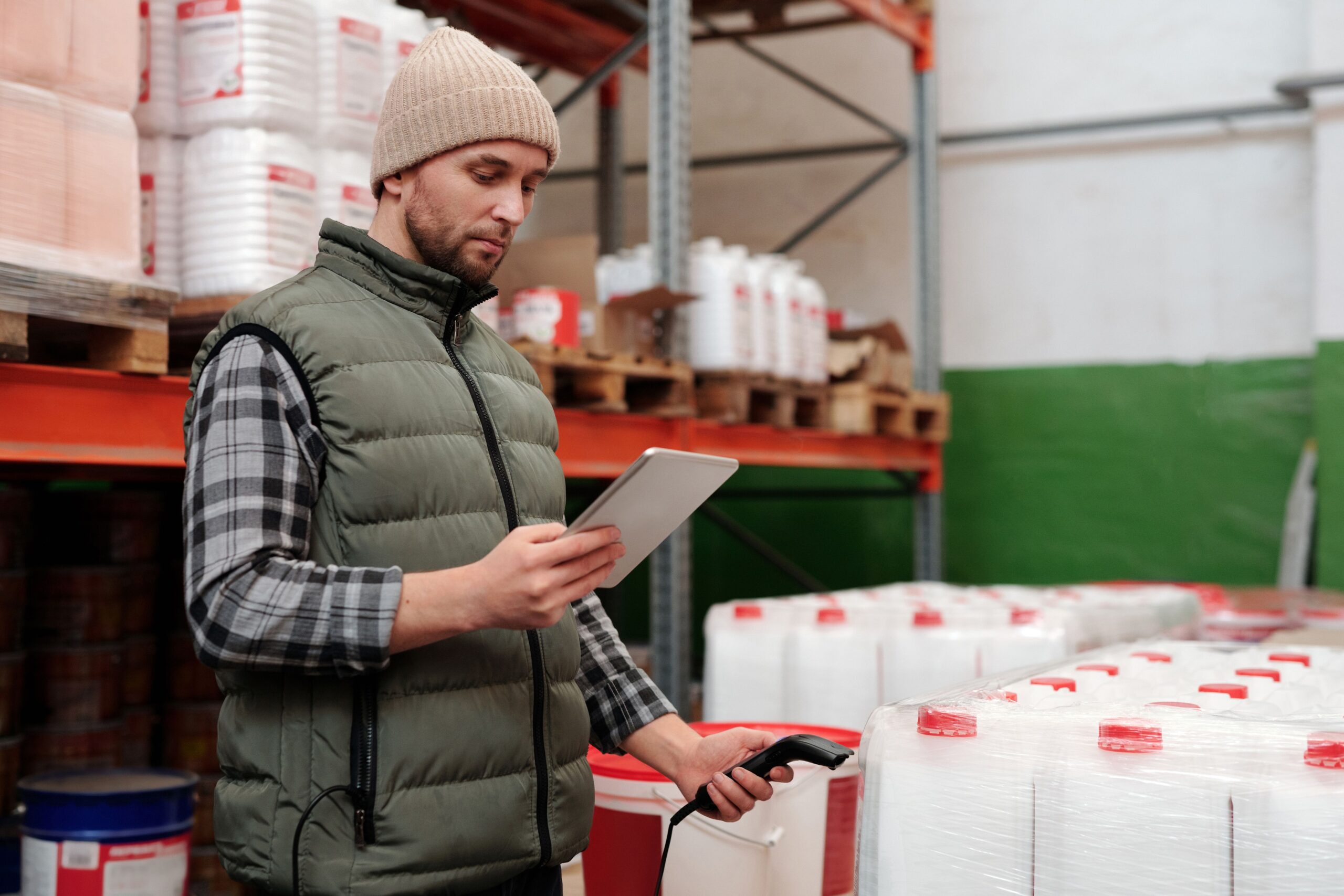
An asset tracking system Singapore operators install should answer one question instantly: where is that equipment right now? In busy warehouses, hospitals, factories, and construction sites, staff still lose hours searching for trolleys, tools, pumps, and pallets, while manual stocktakes take people away from higher-value work. With labour tight, that wasted time is expensive. An asset tracking system Singapore teams can deploy quickly turns searching into looking at a map, and turns missing equipment into an alert.

Photo: Tiger Lily / Pexels
How an Asset Tracking System Singapore Sites Use Actually Works
Most modern systems use small Bluetooth Low Energy (BLE) beacons attached to equipment or carried by staff. Readers or gateways around the site pick up each beacon’s signal, and software turns those signals into a location on a floor plan. Collie describes its beacon-based approach as real-time tracking of assets and people, with data viewed in a cloud-based system accessible from desktop or mobile. The same page lists three practical benefits: low cost, long battery life, and easy deployment.
Bluetooth itself keeps evolving. The Bluetooth SIG introduced Channel Sounding in Bluetooth Core 6.0 to support more precise distance measurement, so it is worth asking any vendor which positioning methods their hardware supports. You can follow the standard at bluetooth.com.
5 Proven Ways an Asset Tracking System Singapore Teams Use Cuts Equipment Loss
1. Find equipment in seconds, not hours
Real-time location removes the walk-around. Staff open the map, find the item, and go straight to it. This matters most for shared equipment that moves between departments, such as wheelchairs, infusion pumps, scanners, forklifts, and portable tools.
2. Keep vital assets where they belong
Some equipment must be at a specific location at all times, for example emergency gear or calibrated instruments. An asset tracking system Singapore sites configure with zones can alert when an item leaves its place, so gaps are caught before they cause a problem.
3. Support rescue and recovery
When something goes missing or an incident occurs, knowing last-seen locations speeds recovery. Collie’s page lists rescue and recovery as a core use of its beacon tracking.
4. Track people as well as things
The same platform can follow personnel, for example security officers on patrol in a building, and can help flag unauthorised presence in restricted areas of a worksite. Staff tracking needs a clear policy and consent process, which is covered below.
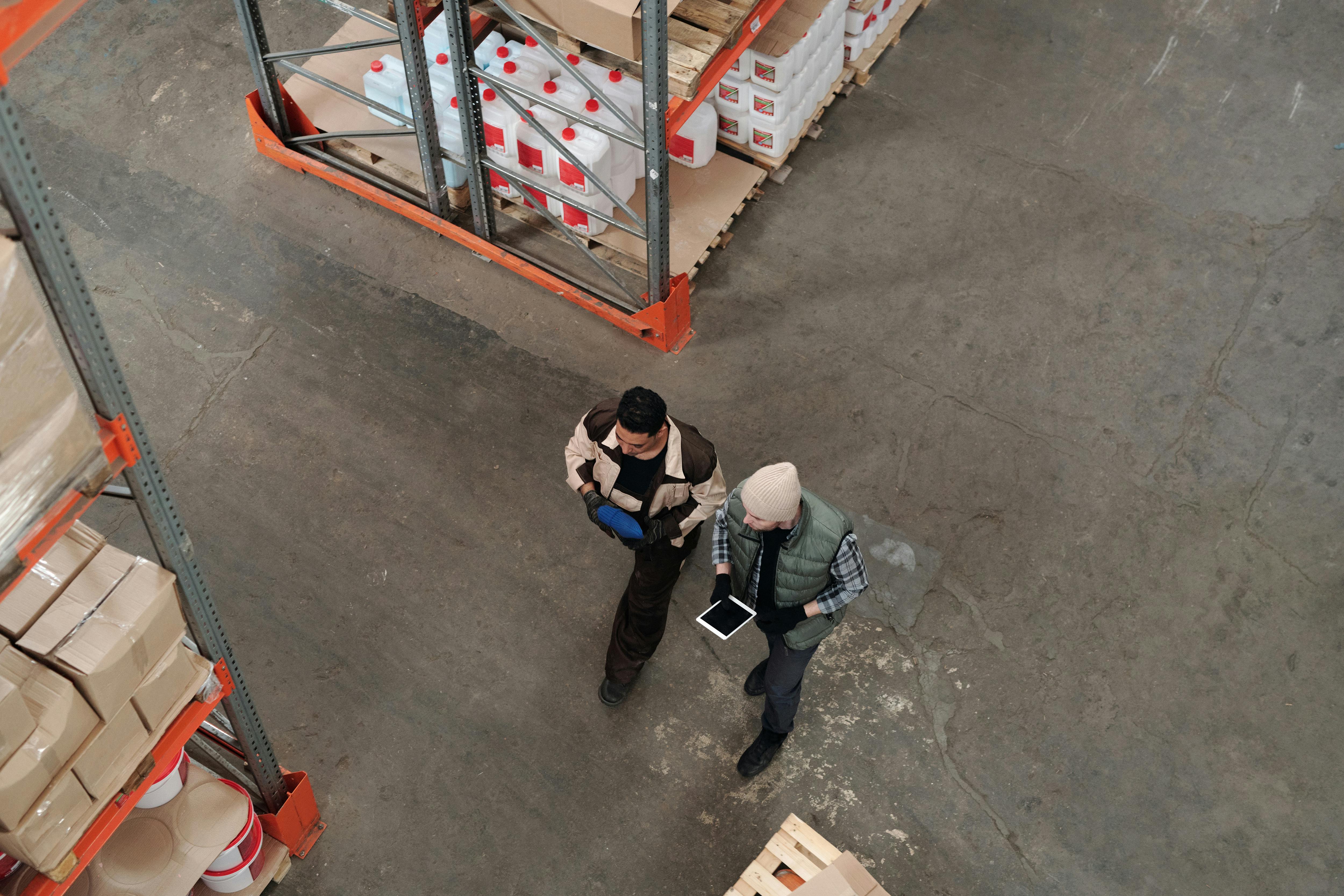
Photo: Tiger Lily / Pexels
5. Learn how assets and staff actually move
Location history shows flow: where equipment waits, which routes are congested, and how long items sit idle. In a warehouse, that analysis helps optimise layout and utilisation, which Collie highlights as a use of tracking data. You can then buy or schedule equipment based on evidence instead of guesswork.
Where an Asset Tracking System Singapore Operators Choose Pays Off Most
- Hospitals and care facilities: mobile medical equipment that is shared and frequently misplaced.
- Warehouses and logistics: pallets, trolleys, and forklifts moving across large floors. See also our guide to a warehouse ANPR system for vehicle gates.
- Construction sites: tools, small plant, and workers across changing zones, as described for construction sites.
- Factories and industrial sites: jigs, moulds, and carts that circulate between stations, as described for industrial sites.
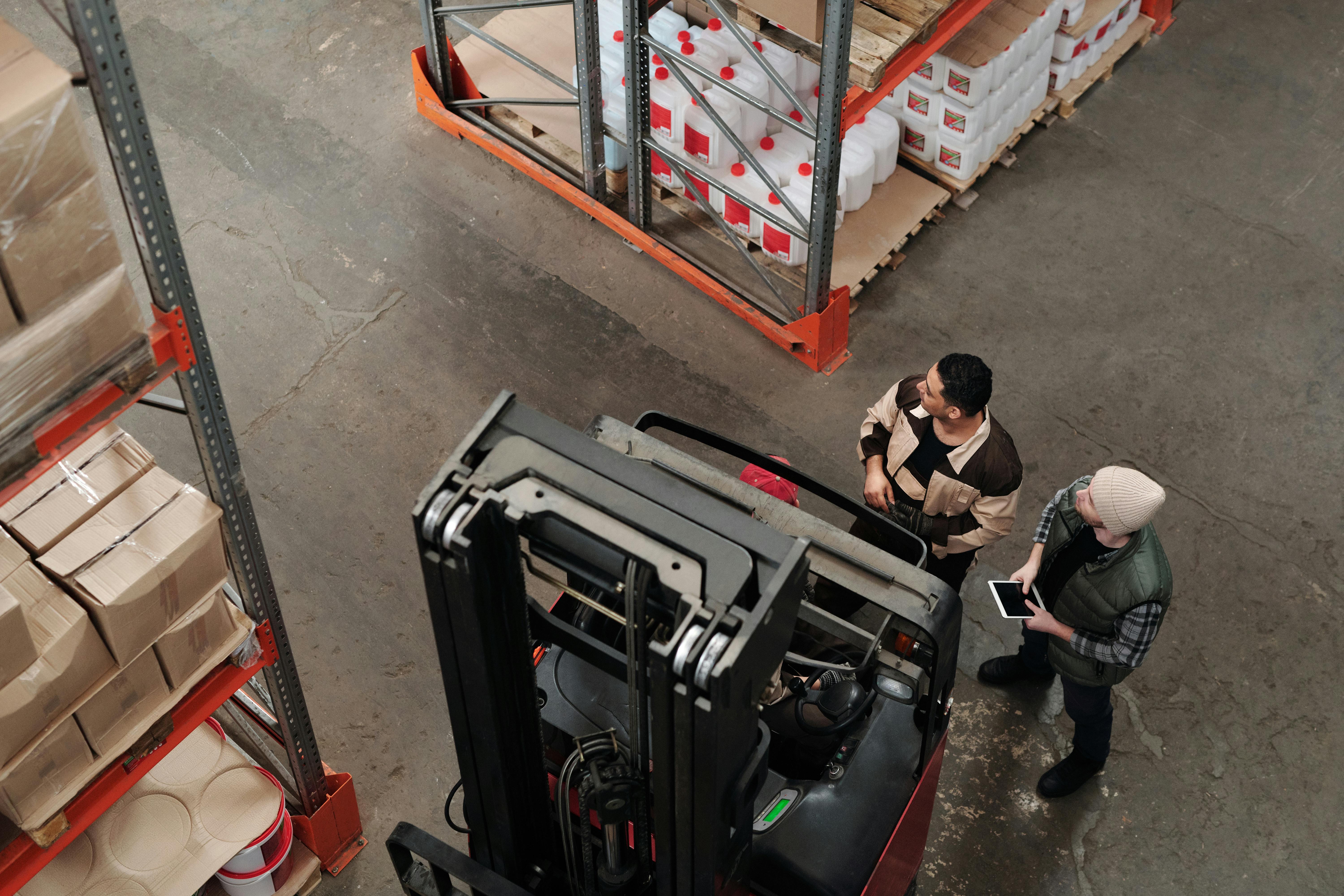
Photo: Tiger Lily / Pexels
What to Check Before Buying an Asset Tracking System Singapore Buyers Compare
- Accuracy you actually need: room-level, zone-level, or metre-level. Higher accuracy usually costs more, so match it to the task.
- Battery life and replacement: long battery life lowers maintenance, but ask how replacement is handled at scale.
- Tag durability: equipment on construction sites or in washdown areas needs robust tags.
- Floor plan and coverage: confirm how many readers are needed and where they will be mounted.
- Software: look for alerts, zones, history, and mobile access, and ask whether data can connect to your other systems.
- Platform fit: check whether tracking can sit on the same dashboard as equipment monitoring and other sensors.
Privacy and Staff Tracking
Tracking assets raises few privacy questions, but tracking staff does. Tell employees what is tracked and why, limit tracking to working areas and hours, restrict who can view individual histories, and set a retention period. In Singapore, align your approach with the Personal Data Protection Act, and in other places with local data protection law.
Frequently Asked Questions
How accurate is BLE asset tracking?
Accuracy depends on beacon placement, reader density, and the environment. Many systems provide room-level or zone-level location, and finer accuracy needs more infrastructure. Ask for a test on your own floor.
Do beacons need replacing often?
Battery life varies by beacon type and signal interval. Collie lists long battery life as a benefit of its beacons, but confirm the expected life for your configuration.
Can it track both equipment and staff?
Yes, the same platform can track both. Treat staff tracking carefully and put a clear policy in place first.
Find Out Where Your Equipment Really Is
The quickest way to judge an asset tracking system Singapore sites can rely on is to tag a few high-value items and watch how they move for a few weeks. Speak with the Collie team about a pilot, a floor-plan assessment, and how tracking can run alongside your other site sensors.
See Collie beacons for asset and personnel tracking →
Explore the Collie beacon range →