

An air quality monitoring system Singapore sites can read in real time stopped being a nice-to-have in October 2026, when smoke haze from fires in Sumatra and Kalimantan pushed the 24-hour PSI into the Unhealthy range for days. The National Environment Agency forecast a PSI of 150 to 230 (Unhealthy to Very Unhealthy) for 17 October, and the haze only eased to the Moderate range by the start of November. For employers with outdoor workers, schools, and facilities teams, an air quality monitoring system Singapore operators install gives something national averages cannot: readings from their own site, at the moment decisions have to be made.

Photo: Muneeb Babar / Pexels
What the October Haze Showed About Air Quality Monitoring System Singapore Needs
The NEA’s haze situation update of 14 October 2026 described dense smoke haze drifting from Kalimantan fires and gave practical advice: healthy individuals outdoors for several hours in the hazardous range (PSI above 300) may reduce exposure with a well-fitted N95 mask, and vulnerable people may do the same from the Very Unhealthy range (PSI above 200). Other updates advised using the 1-hour PM2.5 reading for immediate outdoor activities and the 24-hour PSI forecast for planning ahead. On 10 and 13 October, for example, the 24-hour PSI was in the Unhealthy range while 1-hour PM2.5 readings were in the Elevated band.
That split between a one-hour reading and a 24-hour forecast is where on-site sensors help. They show what is happening at your location now, so a supervisor can act within the hour instead of waiting for the next published update. Official updates and readings are available on the NEA haze website.
5 Proven Ways an Air Quality Monitoring System Singapore Teams Deploy Reduces Haze Risk
1. It measures your site, not the national average
Published readings cover regions. A site beside a road, a construction hoarding, or an exhaust stack can differ from the regional figure. Sensors on your premises show the air your people actually breathe.
2. It triggers alerts at thresholds you set
Collie lists air quality monitoring among its IoT sensors and describes monitoring of CO₂, PM2.5, and PM10 in real time, with history and alert thresholds, in its campus deployments for classrooms, labs, and public areas. Thresholds can follow the PM2.5 and PSI levels your safety team and the authorities use, so alerts prompt action such as moving a task indoors or adjusting work-rest cycles.
3. It protects indoor spaces too
Haze reaches indoor spaces, and indoor air has its own issues: poor ventilation lets CO₂ build up in meeting rooms and classrooms, and PM2.5 can enter through doors and air intakes. Monitoring indoor air shows when to adjust ventilation, change filters, or run air cleaners.
4. It builds a record for decisions and reviews
Logged readings show what conditions were on a given day. When a manager asks why work was paused, or a parent asks about a school’s actions, the data answers the question and supports continuous improvement.

Photo: Jimmy Liao / Pexels
5. It joins your other site sensors on one dashboard
Air quality is one signal among many. Collie’s IoT range also includes equipment monitoring and solar panel monitoring, and haze also lowers solar output, which our solar panel monitoring guide explains. Seeing air quality next to other readings helps teams link cause and effect.
What to Check Before Buying an Air Quality Monitoring System Singapore Buyers Compare
- What it measures: PM2.5 and PM10 for haze, CO₂ for ventilation, and optionally temperature and humidity.
- Calibration and accuracy: low-cost optical particle sensors can be affected by humidity, so ask how they are calibrated against a reference instrument.
- Reporting interval: one-hour averages matter for decisions, so check how readings are averaged and displayed.
- Alerting: alerts should reach the right person by the channel they actually use, with adjustable thresholds.
- Placement: outdoor units need weather protection, and indoor units need sensible locations away from vents.
- Coverage and history: a multi-site view and stored data help if you run several locations.
- Support: sensors drift and need maintenance, so confirm local service.
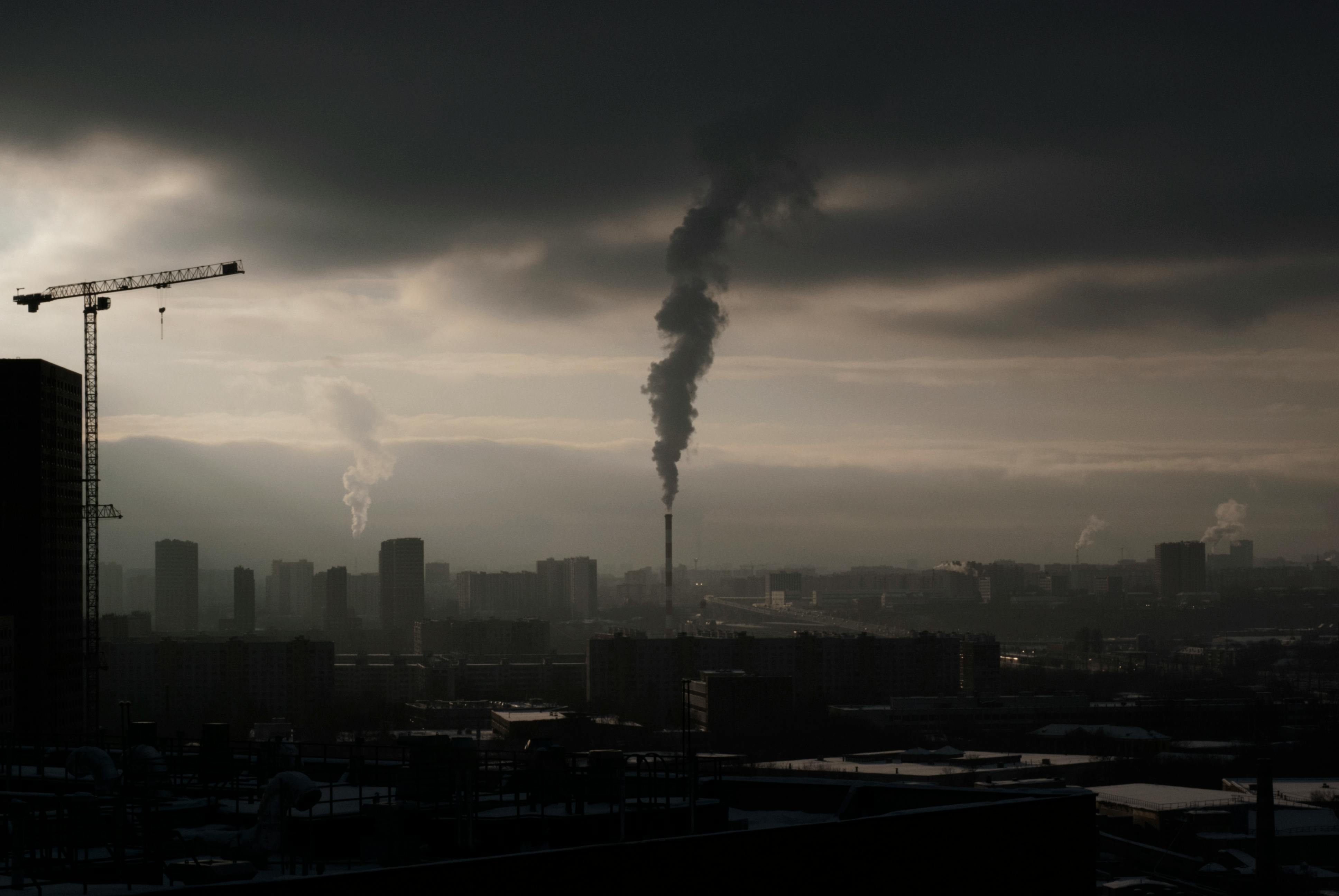
Photo: Olga Kovalski / Pexels
Who Benefits Most
- Construction and logistics: large outdoor workforces exposed for long periods. See Collie for construction sites.
- Industrial sites: plants with emissions or dust, where indoor and outdoor readings both matter. See industrial sites.
- Schools and campuses: large occupancy in air-conditioned rooms, where CO₂ and PM2.5 matter.
- Offices and malls: ventilation quality and occupant comfort.
- Warehouses: forklift exhaust and dust, alongside asset and personnel tracking.
Global Lessons Beyond Singapore
Smoke episodes are not unique to Southeast Asia. Wildfire smoke and seasonal pollution affect cities on every continent, and the same approach applies: measure on site, set thresholds in advance, and decide in advance who acts when an alert fires. Employers should also check their local occupational health guidance, and in Singapore, current advice from the Ministry of Manpower and the NEA.
Frequently Asked Questions
Can a sensor tell me when to stop outdoor work?
It tells you the conditions on site. The decision to pause or adjust work should follow your safety policy and official guidance, with the sensor providing timely evidence.
What is the difference between PSI and PM2.5?
PSI is an index calculated over 24 hours that summarises several pollutants, while PM2.5 readings can be reported hourly. The NEA advises using the one-hour PM2.5 for immediate activities and the 24-hour PSI for planning.
Are low-cost sensors reliable?
They are useful for trends and alerts when properly calibrated, but they do not replace reference instruments. Ask the vendor how readings are validated.
Be Ready Before the Next Haze Season
Haze episodes return, so the time to place sensors is before the next one. Speak with the Collie team about an air quality monitoring system Singapore sites can run alongside their other sensors, including placement, thresholds, and alerting.
Explore Collie air quality monitoring →
See asset tracking for sites →