
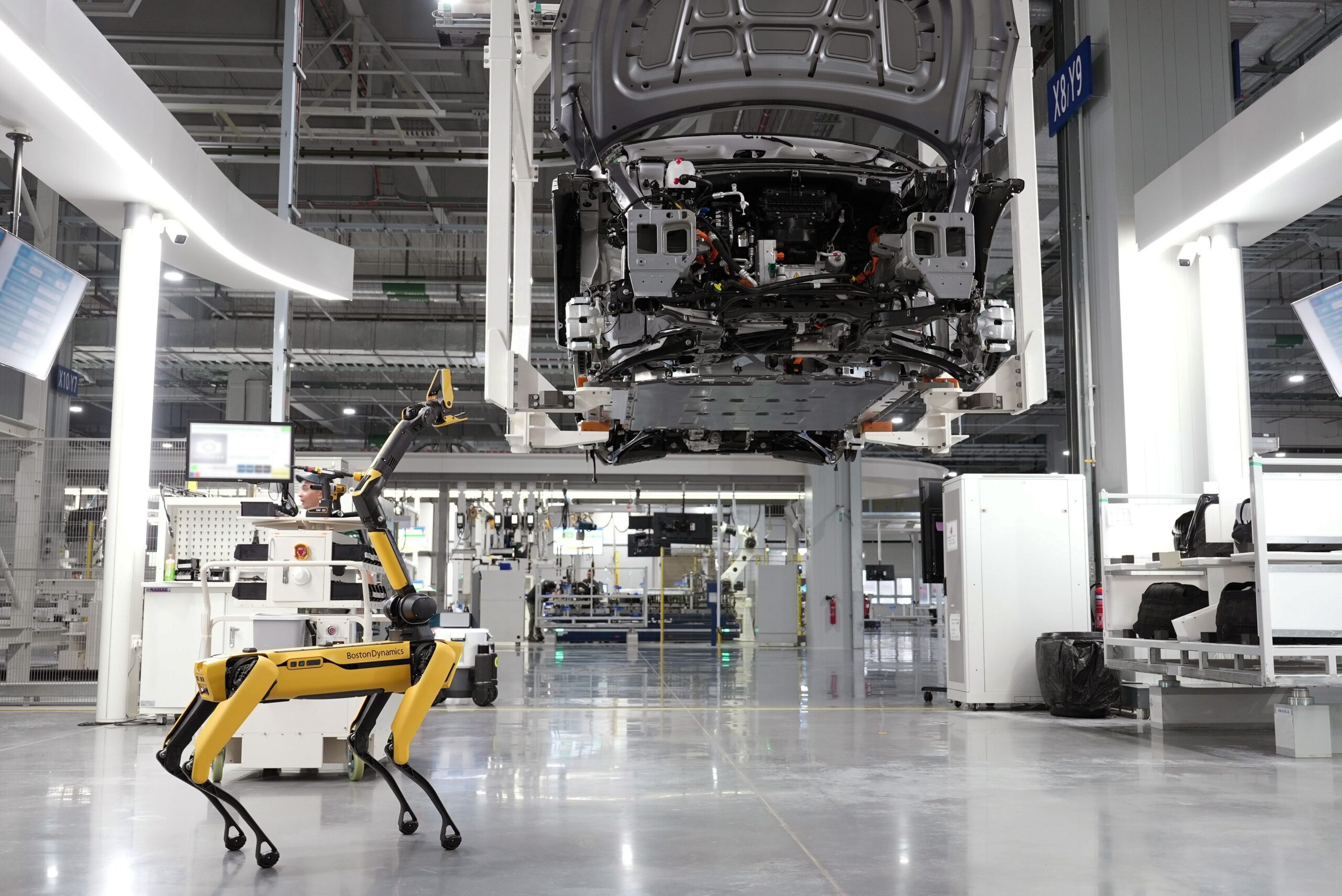
Robot dog inspection Singapore operators are adopting is moving from demonstration to daily routine, because it solves a hard problem: checking hazardous, hot, cramped, or hard-to-reach areas without sending a person into them every time. Power tunnels, plant rooms, rooftops, and industrial parks all need regular inspection rounds, and those rounds are repetitive, tiring, and sometimes risky. Robot dog inspection Singapore sites can run on a schedule gives teams consistent data on every round, while keeping people out of the worst spots.
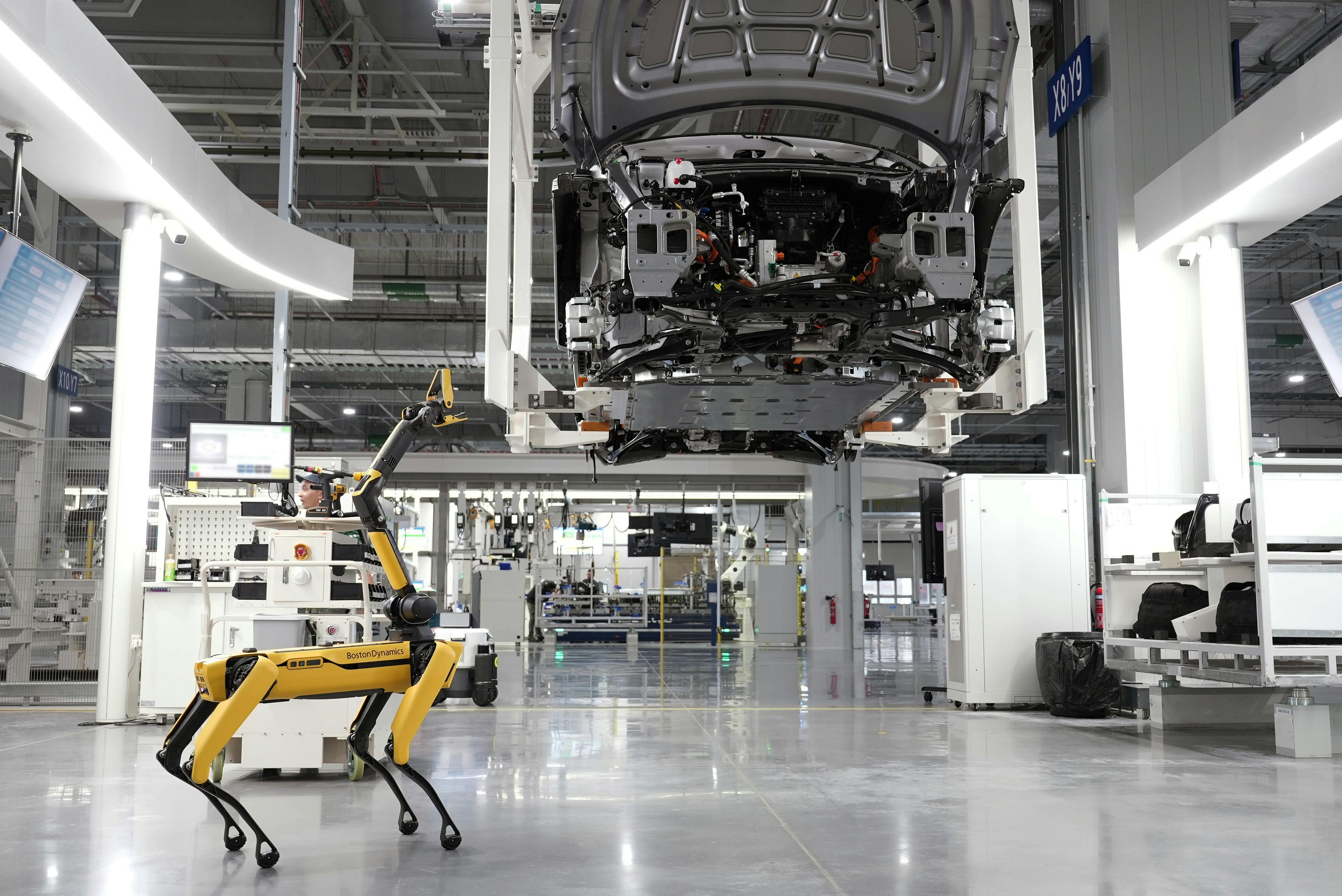
Photo: Hyundai Motor Group / Pexels
Why Robot Dog Inspection Singapore Facilities Are Choosing Now
Quadruped robots are already being used on Singapore infrastructure. A TechNode report from January 2025 described Singapore Power Group using a quadruped robot for inspections of its power tunnels, and a February 2026 press release described a quadruped patrol solution introduced at a Certis industrial park in Singapore. These are other vendors’ robots, but they show the direction: legged robots are becoming a normal tool for inspection and patrol in the city-state.
The driver is practical. Inspection rounds need people, people are scarce and costly, and some locations are unpleasant or unsafe to visit repeatedly. A robot can walk the same route every time and report back.
5 Proven Ways Robot Dog Inspection Singapore Teams Use Cuts Risk
1. It keeps people out of hazardous areas
Collie’s LimX robot dog is described as a four-legged unit for autonomous patrol, hazardous-area inspection, and remote surveillance, running either manually or fully autonomously. Sending the robot first means staff enter only when there is a reason to.
2. It walks terrain that wheels cannot
Legged robots handle stairs, uneven ground, and obstacles better than wheeled units. Collie’s own comparison notes that its iBen wheeled platform is built for flat-floor logistics, while LimX is built for rougher terrain and hazardous-area inspection. For lab and research use, the LimX TRON2 multi-form unit is listed with a 30-degree slope capability and 20 cm obstacle clearance, and it can be reconfigured as bipedal, wheeled, quadruped, or stationary arm.
3. It repeats the same route every round
A human inspector’s route varies with fatigue and shift changes. A robot follows the same path and checks the same points each time, so changes between rounds are easier to spot.

Photo: Tahir Xəlfəquliyev / Pexels
4. It sends findings to the same dashboard as your other systems
Inspection data is only useful when someone sees it. Collie’s robots feed the same dashboard as its cameras and sensors, so an inspection finding sits alongside access, video, and sensor events instead of in a separate app.
5. It can use the same access credentials as staff
A patrol unit that cannot pass a secured door is of limited use. Collie notes that its access control module also runs on its robot fleet, letting a patrol unit badge itself through the same gates and turnstiles your staff use, without a separate system. See how this works in Collie access control management.
What Robot Dog Inspection Singapore Buyers Should Check Before Deploying
- Terrain and mobility: ask for slope, step, and stair figures for the exact model, and test on your own route.
- Sensors and payload: confirm which cameras or sensors are available for your inspection task, such as visual or thermal imaging.
- Battery and charging: check run time per patrol and whether it can return to a charging point on its own.
- Environment: rain, dust, heat, and humidity all affect uptime, so ask about environmental ratings.
- Hazardous-zone certification: some zones, such as areas with flammable gas, need specially certified equipment. Do not assume a standard robot is approved for them.
- Connectivity: tunnels and plant rooms can be dead zones for wireless signals, so plan coverage or local storage.
- Autonomy and fallback: decide when the robot runs by itself and when an operator takes control.
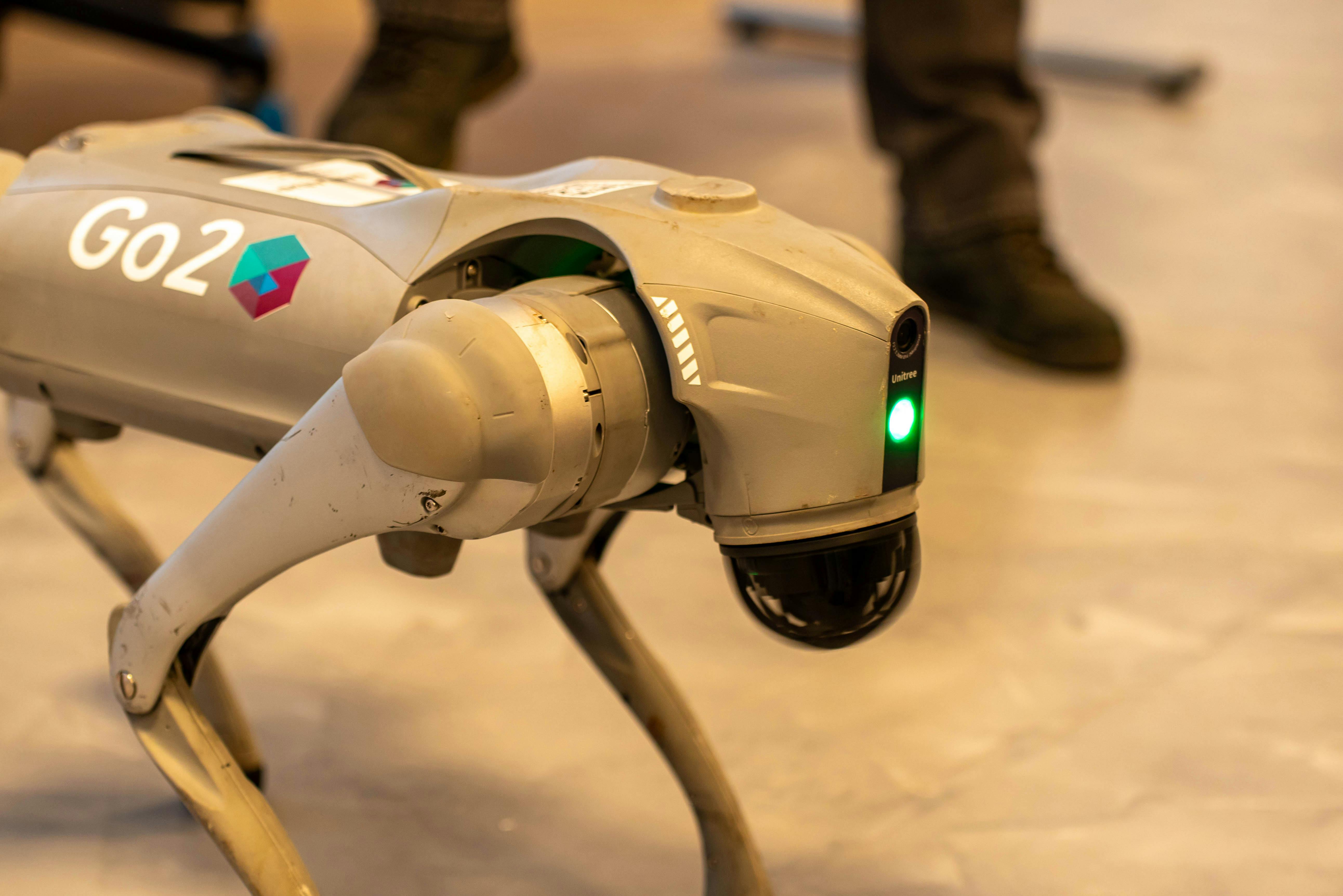
Photo: Vladimir Srajber / Pexels
Robot Dog Inspection Singapore Rules: Safety Procedures Still Apply
A robot reduces exposure but does not remove the need for safe systems of work. Confined-space entry, permits, and gas testing remain governed by workplace safety requirements, so check the current guidance from the Ministry of Manpower and your own safety officer before changing any procedure. Treat the robot as an additional source of information, not a substitute for a competent person.
Where It Fits Alongside Other Collie Robots
Different tasks need different bodies. The iBen wheeled robot suits indoor delivery and flat-floor patrol, and our guide to an autonomous mobile robot explains where wheels make sense. If your main question is guard cost, read our comparison of a robot dog vs human guard. For fixed stations, see the robotic arm guide.
Frequently Asked Questions
Can a robot dog replace human inspectors?
It replaces repetitive rounds and reduces exposure, but people still interpret findings, handle repairs, and make decisions. Most sites use robots to extend their inspection team, not replace it.
Does a robot dog work outdoors in Singapore’s weather?
It depends on the model’s environmental rating. Ask for ingress protection and operating-condition details, and test in rain and heat before committing.
Can it patrol on its own at night?
Collie describes LimX as able to run manually or fully autonomously. Confirm the autonomy mode, charging, and alerting arrangements for your site.
Plan a Pilot Inspection Route
Pick one repeatable route, measure what an inspection round costs today, then compare it with a pilot. Speak with the Collie team about robot dog inspection Singapore sites can start with, including route design, sensors, and integration with your existing systems.
See the LimX robot dog →
Explore Collie for industrial sites →