
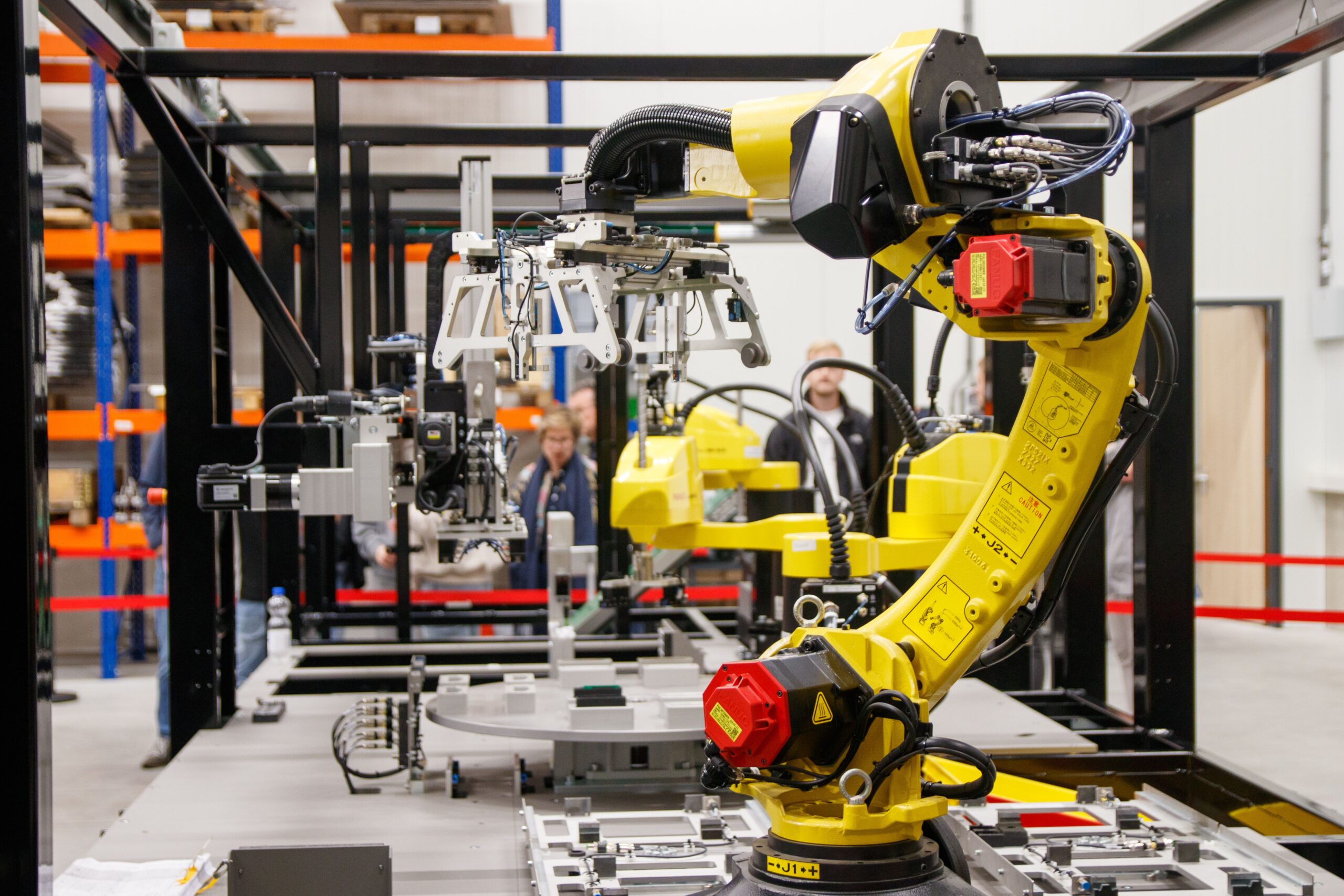
A robotic arm Singapore factories deploy is one of the most direct answers to a familiar problem: repetitive assembly, handling, and inspection work that is hard to staff and easy to get wrong when people are tired. Singapore is already among the most automated manufacturing economies in the world, ranking second with 818 industrial robots per 10,000 manufacturing employees in the International Federation of Robotics’ World Robotics 2025 data for 2024, behind only South Korea. Yet that headline number hides a gap: many small and mid-sized operations still do their repetitive tasks by hand.

Photo: Freek Wolsink / Pexels
Why a Robotic Arm Singapore Manufacturers Consider Now
The International Federation of Robotics notes that Singapore reaches a very high density with a relatively small operating stock because it has few manufacturing employees. In other words, the ratio reflects a small workforce as much as heavy automation. For many plants, that small workforce is exactly the constraint: there are few people available for repetitive production tasks, and each of them is expensive to hire and keep.
A robotic arm does not remove the need for skilled people. It takes over the parts of the job that are the same every cycle, so skilled staff can supervise, set up, and improve the process.
5 Proven Fixes a Robotic Arm Singapore Plants Can Apply to Costly Manual Tasks
1. Consistent assembly
Assembly steps that depend on fatigue-prone repetition produce variation. An arm repeats the same motion every time. Collie’s arms robot partner, XinBaidong, is described as a robotic arm for automating repetitive tasks such as assembly on production lines.
2. Precision handling
Small parts, delicate components, and tight placement tolerances punish shaky hands. Precision handling is another task listed for the XinBaidong arm, and it pairs naturally with a dexterous end effector. Collie also offers Linker Hand robotic hands for fine manipulation work.
3. Repeatable inspection
Inspection is repetitive, tiring, and easy to do inconsistently. An arm can present a part to a camera or sensor in exactly the same position each time. Collie lists inspection among the tasks for its arms robot, and the same intelligence layer runs across its robot fleet.
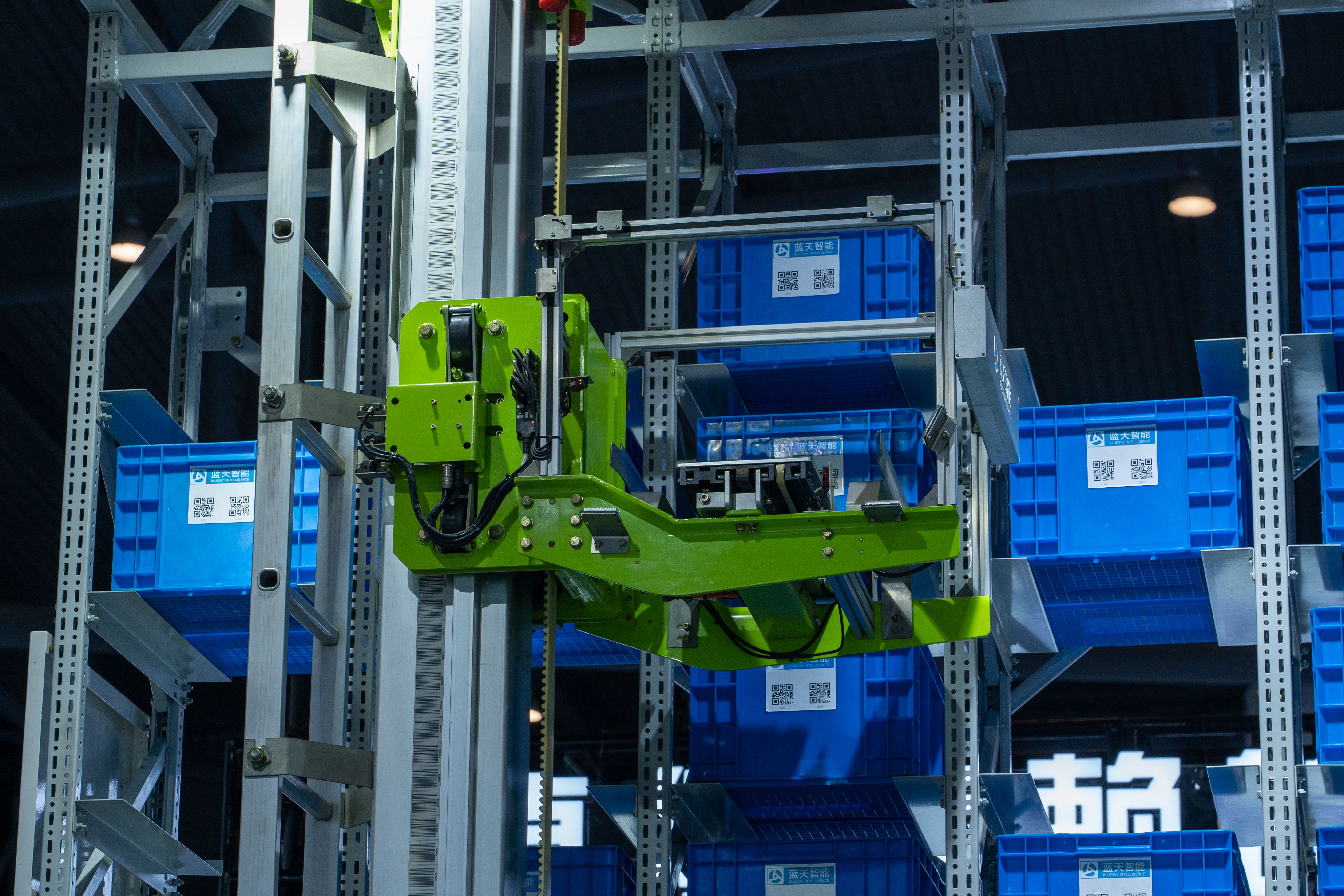
Photo: Peter Xie / Pexels
4. Redeploying people to higher-value work
When an arm takes a repetitive station, the operator who used to stand there can move to set-up, quality checks, or supervision. This is often the strongest business case in a tight labour market, because it makes better use of people you already have rather than requiring new hires.
5. Running on a shared platform
An arm that sits alone is just a machine. Collie positions its robot fleet as running the same intelligence layer as its access control, video analytics, and sensors, so a fixed arm station can share a dashboard with the rest of the site. See the full XinBaidong arms robot page for product details.
What to Check Before Buying a Robotic Arm Singapore Buyers Should Ask
- Payload and reach: match the arm to your heaviest part and the full work envelope.
- Repeatability: ask for the positioning accuracy, not just the headline reach.
- Safety around people: decide whether the arm works behind guarding or alongside operators, and confirm the safety approach.
- Programming and changeover: ask how long it takes your team to teach a new task. Short runs and frequent changeovers favour easy programming.
- End effector: grippers, vacuum tools, or dexterous hands need to match the part.
- Integration: confirm how the arm connects to conveyors, vision, and your production system.
- Support and spares: local service response matters when a station stops.

Photo: Cemrecan Yurtman / Pexels
Where an Arm Fits Alongside Other Robots
Arms are fixed-position machines, so they work best when materials come to them. That is where mobile robots help. The iBen wheeled robot handles indoor delivery and logistics between stations, and the wider Collie robot fleet covers patrol and inspection with a robot dog and front-of-house tasks with a humanoid. For factory-floor context, see how Collie approaches industrial sites.
Frequently Asked Questions
Is a robotic arm only for large factories?
No. Smaller operations with repetitive, stable tasks often see the clearest benefit. The key is choosing a task that is repetitive enough to justify the set-up and stable enough that it does not change every week.
Will a robotic arm replace workers?
It replaces tasks, not whole roles. Most plants use arms to relieve repetitive stations and move people to supervision, set-up, and quality work.
How do I estimate the return on a robotic arm?
Start from one station: count labour hours, error and rework costs, and output per shift, then compare them with the cost and uptime of the arm. A vendor should help you build that estimate for your actual task.
Start with One Repetitive Station
The best way to evaluate a robotic arm Singapore production teams will trust is to pick one repetitive task and test it. Speak with the Collie team about which station fits, what end effector it needs, and how it can share data with the rest of your site.
See the XinBaidong arms robot →
Explore Linker Hand robotic hands →