
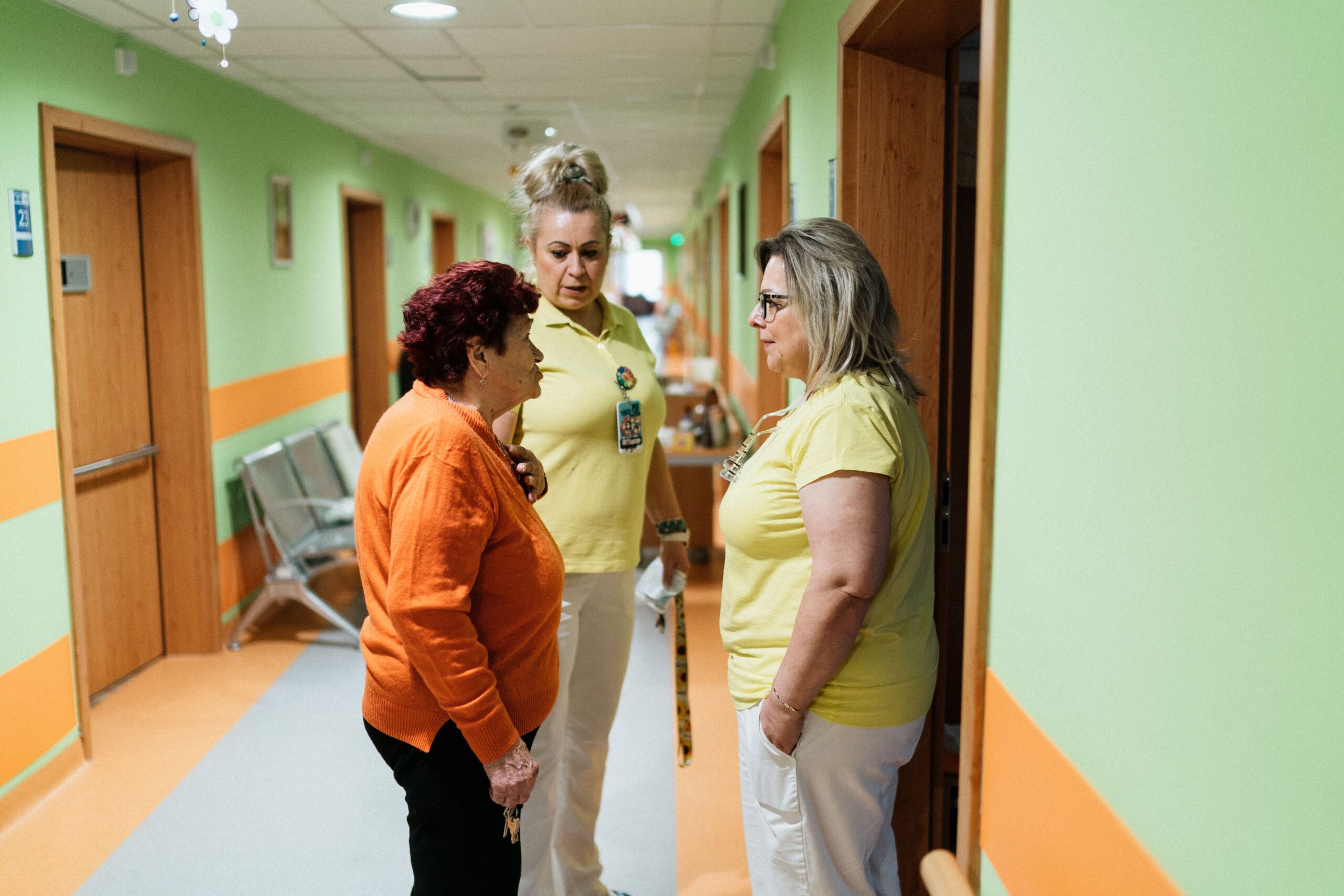
A wandering alert system Singapore care homes can rely on answers a frightening question quickly: has a resident with dementia just left the building? Singapore is now a super-aged society, and the Ministry of Health estimates that the number of people living with dementia will grow from about 74,000 in 2023 to 152,000 by 2030. Each of those residents may be prone to wandering, and each missed exit can end in a road-traffic danger or a long search. A wandering alert system Singapore operators choose should therefore detect exits early, notify staff immediately, and do so without turning a care home into a locked ward.
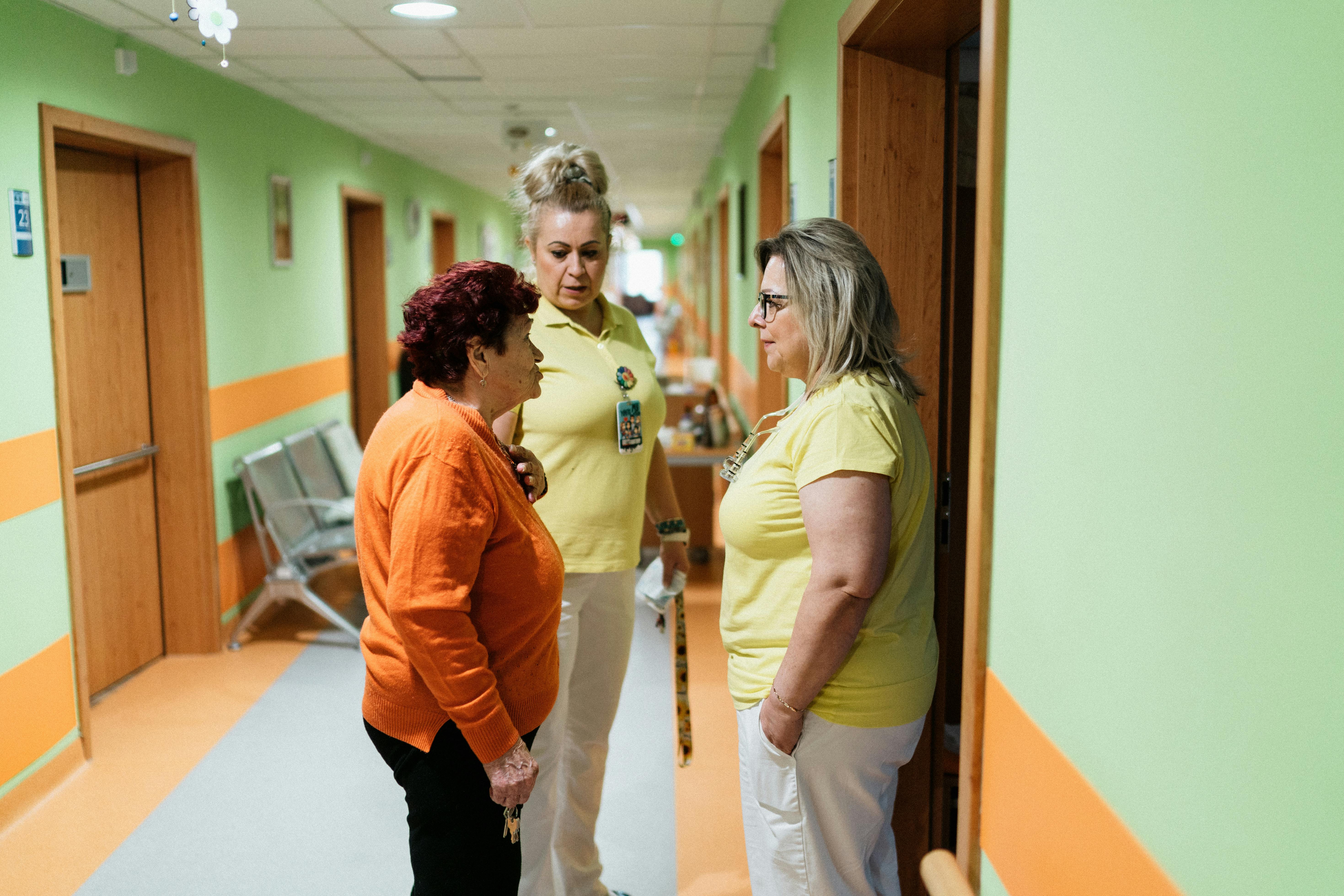
Photo: Jsme MILA / Pexels
Why a Wandering Alert System Singapore Care Homes Need Is a Growing Priority
The Ministry of Health’s written reply on dementia numbers cites the second Well-being of the Singapore Elderly study, which put the figure at about 74,000 in 2023, with an estimate of 152,000 by 2030. At the same time, care homes face the long-running challenge of skilled-staff shortages and rising care needs. When a small team looks after many residents, continuous visual supervision of every door is unrealistic.
Collie’s own long-standing solution page describes the problem plainly: orientation difficulties lead many residents to wander, and a resident who leaves unnoticed may face dangerous road situations and trigger lengthy searches. The same page describes the aim of a tracking solution as protecting residents’ freedom of movement and safety while reducing the workload of nursing staff.
5 Proven Ways a Wandering Alert System Singapore Facilities Use Cuts Risk
1. It detects when a resident leaves a protected zone
The system determines the location of people in need of protection in strategically important areas. When a resident leaves the facility, it registers the event automatically, rather than relying on someone happening to notice an open door.
2. It alerts staff the moment it happens
Detection is only useful if the right person knows at once. A notification to nursing staff lets a colleague accompany the resident back or prevent them from leaving the area, often before the person reaches the street.
3. It protects dignity and freedom of movement
Many facilities want residents to walk freely inside a safe boundary rather than be confined to a room. Alerts at exits and boundaries allow movement within the facility while flagging the moment a resident approaches or crosses the line.
4. It reduces the burden on overstretched teams
Staff do not have to guard every door continuously. They can give attention to residents and respond when the system raises an alert, which supports care quality when staffing is tight.
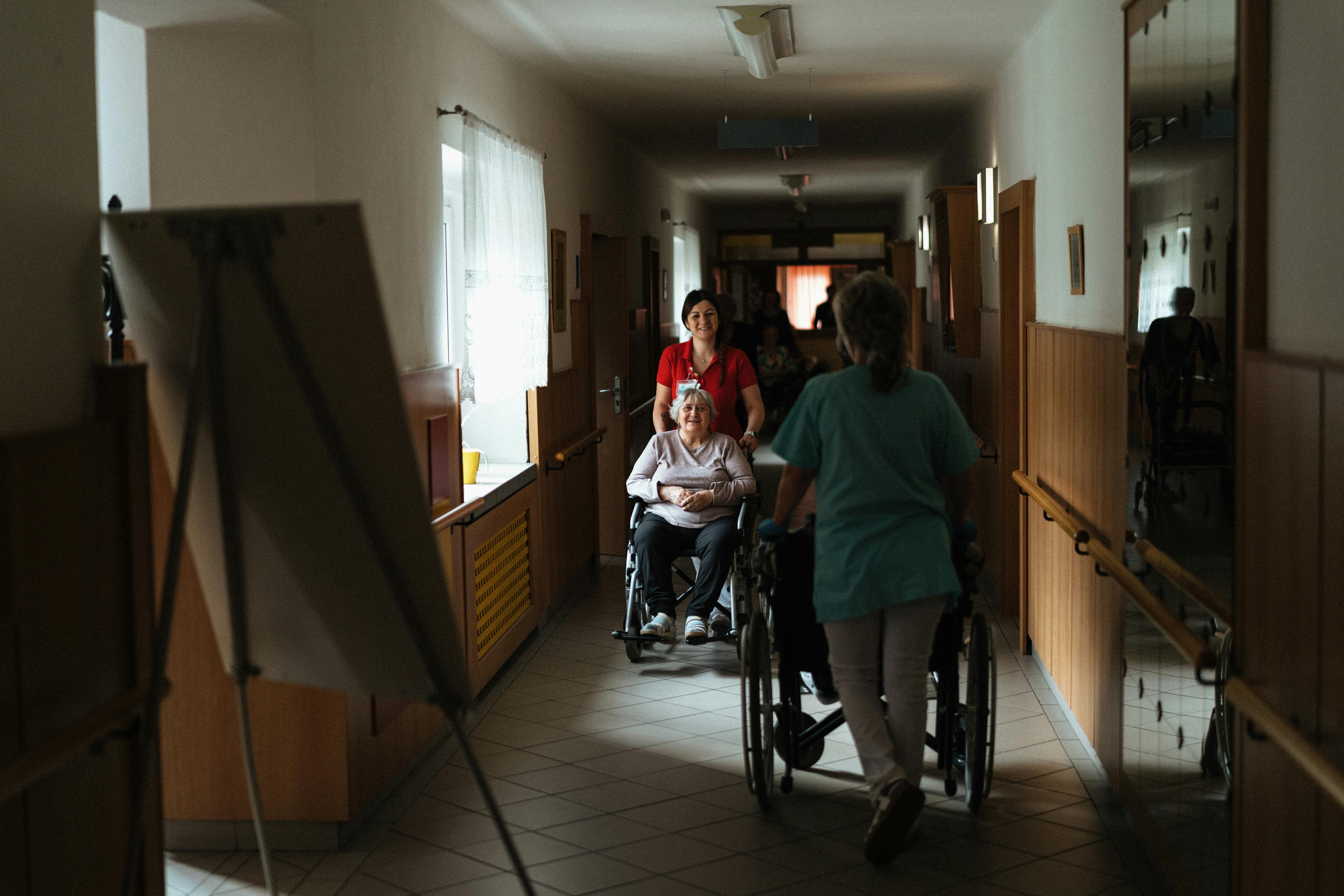
Photo: Jsme MILA / Pexels
5. It creates a record for review
Logged alerts show when and where near-misses happen, which helps managers adjust staffing at shift changes, redesign problem exits, and review incidents after the fact.
How the Technology Typically Works
Many systems combine a small wearable or tag worn by the resident with readers at exits and key zones. Collie’s beacon range is one example of Bluetooth-based tags used for tracking, and the original patient wandering system for dementia sufferers page outlines the concept. Camera-based analytics can add a second layer at doorways, for example through loitering detection or other video analytics, though each facility should decide carefully where cameras are appropriate for residents’ privacy.
Safety, Consent, and Data: Points to Settle Before Buying
- Fire safety: never lock or delay an exit without confirming that the arrangement meets fire safety rules. A wandering alert system should alert, not trap.
- Consent and capacity: residents with dementia may not be able to consent for themselves. Agree a clear process involving the family, the care team, and the facility’s policies.
- Personal data: location and health information are sensitive. Limit who can see it, define retention, and review the requirements of the PDPA with your data protection officer.
- Dignity: choose a wearable that is comfortable and discreet, and explain it to residents and families in plain language.
- Response plan: alerts only help if staff know exactly what to do, so rehearse the response.
What to Look for in a Wandering Alert System Singapore Buyers Compare
- Coverage of real exits: map every door, stairwell, lift, and fire exit, including staff-only routes.
- Alert speed and routing: alerts should reach the right staff by the channel they actually watch, with escalation if unacknowledged.
- Tag comfort and battery life: a tag that is removed or runs flat defeats the purpose.
- False alerts: too many alarms train staff to ignore them, so ask how thresholds are tuned.
- Integration: check whether the system can connect with access control and existing nurse-call systems.
- Support: confirm local maintenance and response times.
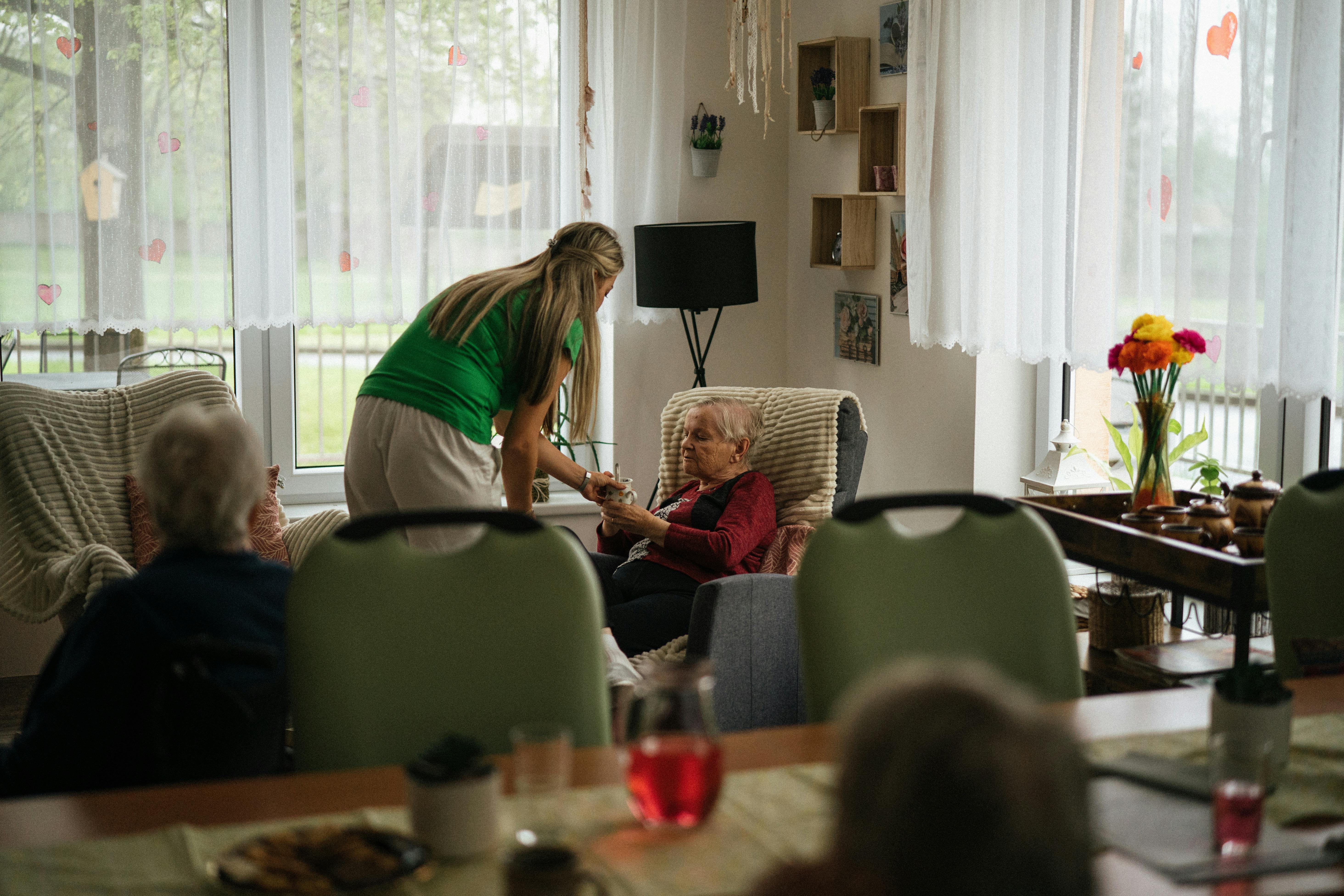
Photo: Jsme MILA / Pexels
Frequently Asked Questions
Does a wandering alert system replace care staff?
No. It extends their attention by detecting exits and raising alerts, but a person still needs to respond.
Can it be used in home settings and not only nursing homes?
The same idea applies in community and home-care settings. The set-up differs, so discuss the layout and who will receive alerts before choosing a product.
Is it only for dementia?
Wandering risk also arises with other conditions affecting orientation. The system works the same way, but the care plan and consent process should reflect each resident’s situation.
Review Your Exits Before the Next Incident
Start by mapping where residents can leave unnoticed today, then decide how alerts should reach your team. Speak with the Collie team about how a wandering alert system Singapore facilities can adapt to their own layout, tags, and response procedures.
Read about the patient wandering system →
Explore Collie beacons →