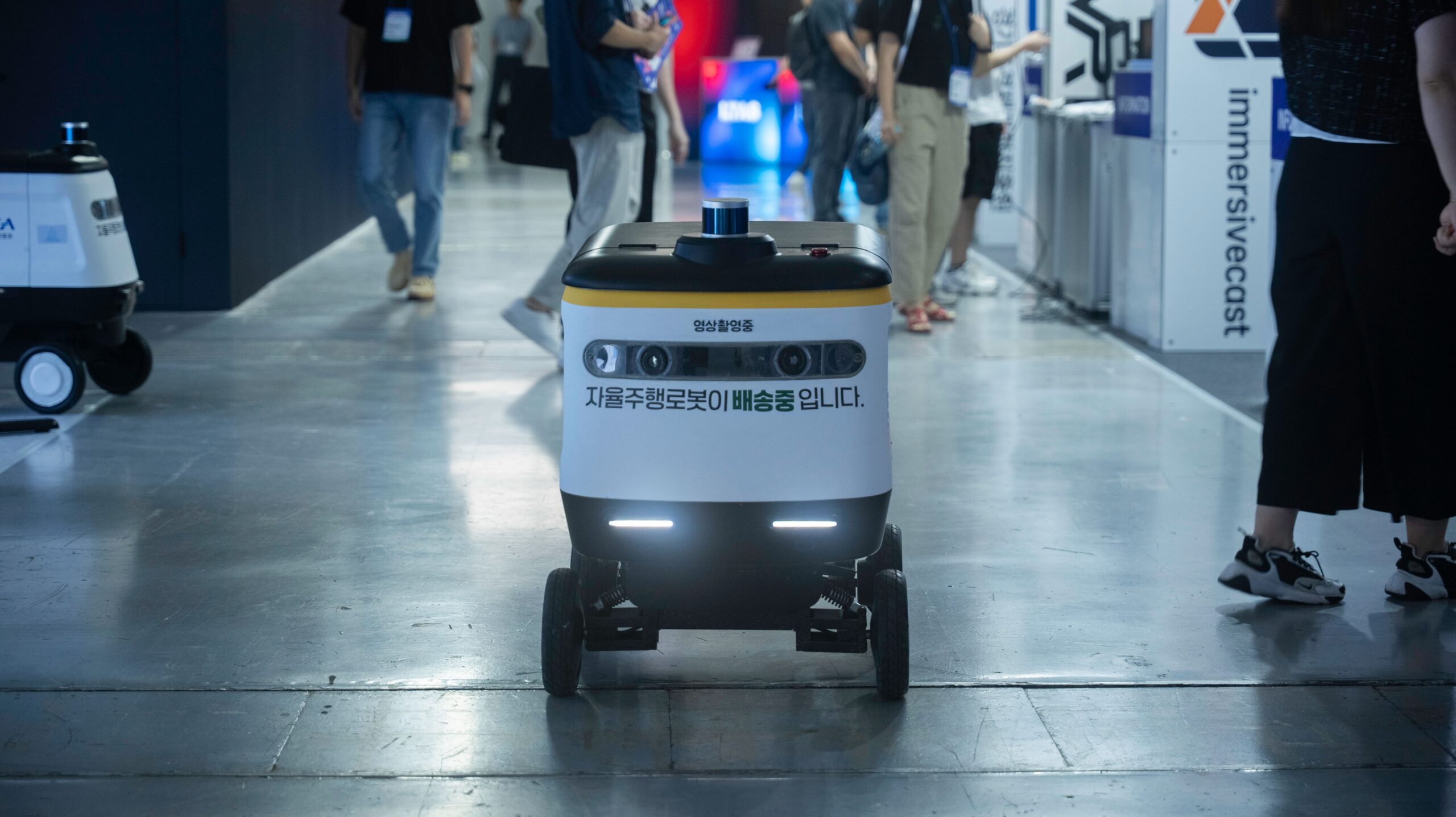
An autonomous mobile robot Singapore factories can deploy in minutes, not months, is changing how small and mid-sized manufacturers move goods. Traditional automated guided vehicles (AGVs) were built for large enterprises with big budgets, long installation timelines, and fixed routes. An autonomous mobile robot, or AMR, maps the floor itself, plans its own routes, and adapts when the layout changes. For operations managers dealing with tight labour supply, that difference decides whether automation is even possible.
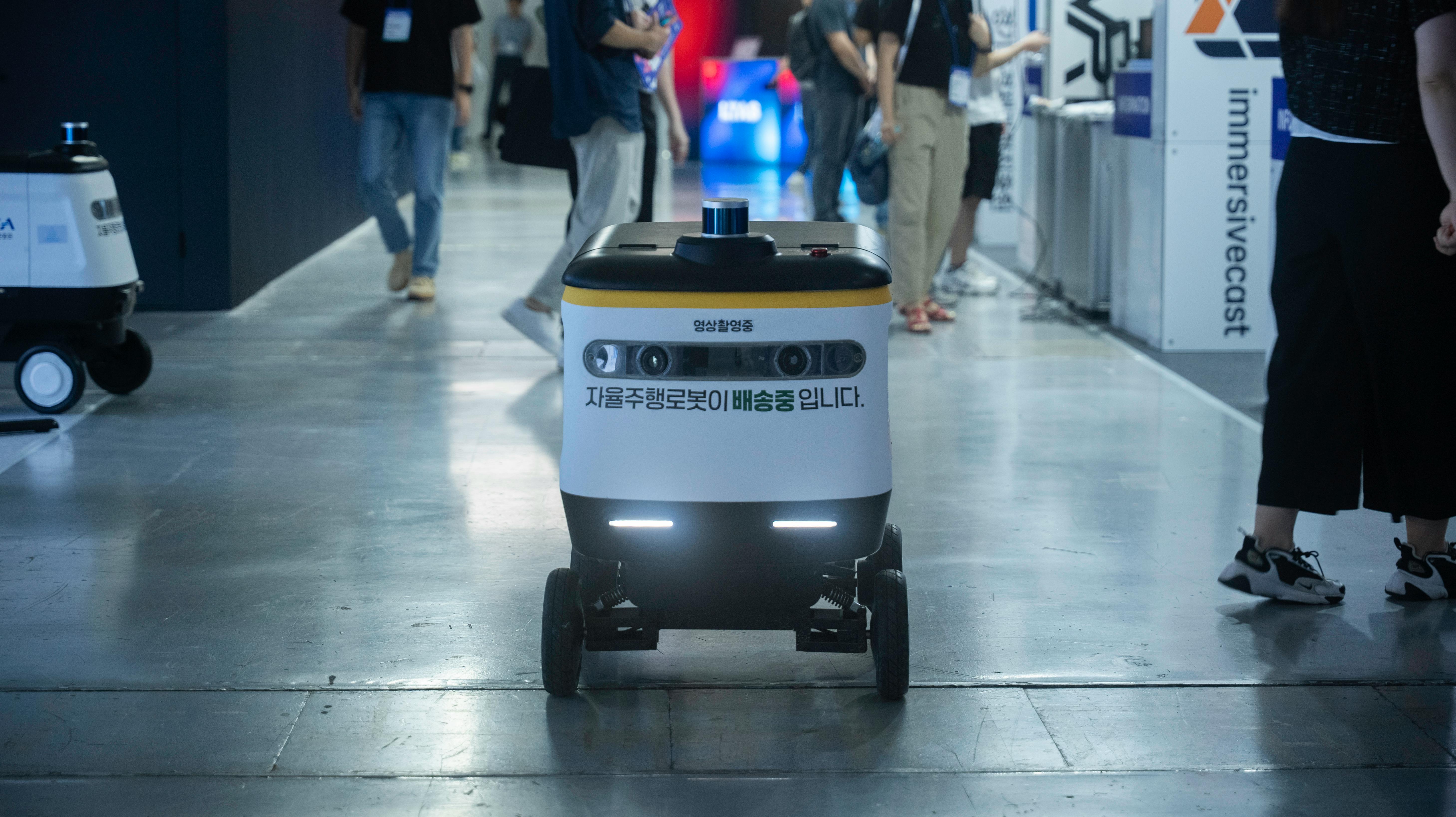
Photo: Youn Seung Jin / Pexels
Why Autonomous Mobile Robot Singapore Demand Is Growing
Singapore factories and warehouses compete for the same limited pool of operators, while forklift and material-handling work stays repetitive and physically demanding. The Ministry of Manpower has publicly discussed how AI-driven automation is reshaping work, and employers are expected to adopt it responsibly. For logistics teams, an autonomous mobile robot in Singapore is a practical way to keep goods moving without adding headcount that is hard to hire.
AMR vs Traditional AGV: Why Many Factories Get Stuck
Collie’s published comparison for its iBen X300 series highlights the four problems that keep smaller factories out of automation:
| Indicator | Traditional AGV | iBen X300 Series |
|---|---|---|
| Deployment time | 3 months to 2 years | 30 minutes |
| Deployment cost | USD 50,000 to 800,000 | No infrastructure cost |
| Flexibility | Low, needs redeployment | High, plug-and-play |
| ROI period | 2+ years | 6 to 10 months |
These figures come from Collie’s own materials and customer deployments, so results will vary by site. The point still holds: an AMR avoids the fixed infrastructure that makes traditional AGV projects slow and costly.
How the iBen X300 Autonomous Mobile Robot Singapore Sites Can Use Works
The iBen X300 is a wheeled robot built for factory and warehouse logistics. Its main features include:
- Zero-transformation deployment: it builds its own map in about 30 minutes using Laser SLAM and visual SLAM fusion, without changes to floors, walls, or network.
- Onboard task planning: it plans tasks and schedules routes without an external control system, which Collie says reduces deployment cost by 90%.
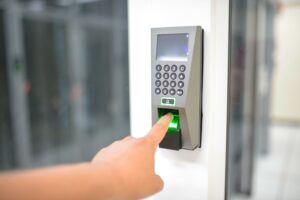
- System integration: it connects to elevators, access control, and production lines, and supports WMS, ERP, and MES systems through an open API.
- Layered safety: 360-degree LiDAR, 3D depth cameras, anti-collision edges, emergency stop, and slope monitoring work together. Obstacle response is under 0.1 seconds.
- Terrain handling: it handles 5-degree slopes and climbs 20 mm steps, with mapping accuracy of plus or minus 10 mm.
- Self-diagnosis: Collie reports that 83% of faults are identified and resolved automatically, so engineers are called only when needed.
Photo: amerimet suppliers / Pexels
Three Models for Different Handling Tasks
All X300 variants share the same chassis, safety systems, and navigation platform. The range is aimed at warehouses and line-side storage, replacing manual forklift runs:
- X300B-L (jack handling): for lifting and moving jack-style loads.
- X300B (flat handling): the model Collie lists as most popular.
- X300T (multi-layer pallet): for precision and multi-layer pallet work.
The listed lifting height is 60 mm maximum and the machine size is 870 x 504 x 1200 mm, so confirm payload and pallet type with the vendor before choosing a model.
Where an Autonomous Mobile Robot Singapore Operations Benefit Most
- Manufacturing: equipment docking, dense storage management, and full-scene handling workflows.
- Healthcare: clinical logistics, patient guidance, and AI disinfection in hospitals and medical facilities.
- Construction: material transport, site cleaning, and depot logistics. See how this fits a construction site.
- Industrial sites: indoor delivery and patrol along fixed routes, which pairs well with the platform used across industrial sites.
Photo: Tiger Lily / Pexels
What to Check Before Buying an Autonomous Mobile Robot
- Floor and environment: iBen is primarily built for indoor use on flat, navigable floors. Check slopes, steps, and floor condition.
- Payload and pallet fit: match the model to your load size and lifting needs.
- System integration: confirm connection to your WMS, ERP, or MES, and to lifts and access gates.
- Safety around people: ask how the robot detects suspended obstacles and what happens in a contact event.
- Real ROI: ask for a calculation based on your shift pattern and current handling cost, not only a headline figure.
- Fleet growth: confirm how scheduling works if you scale from one robot to a larger fleet.
Frequently Asked Questions
Is an autonomous mobile robot Singapore factories use the same as an AGV?
No. An AGV usually follows fixed paths or infrastructure. An AMR builds a map of the floor, plans routes itself, and adapts to changes in the layout.
How long does it take to deploy the iBen X300?
Collie states that map construction takes about 30 minutes and that staff can learn to operate it in around 10 minutes. Actual rollout time depends on your site and integrations.
Can the robot work with the rest of a Collie site?
Yes. iBen runs the same Collie dashboard as the rest of the fleet, and it sits alongside options such as the LimX robot dog for rougher terrain and the XinBaidong arms robot for fixed-position tasks.
Get a Cost and ROI Estimate for Your Floor
Every factory has a different layout, shift pattern, and handling volume. If you want to see what an autonomous mobile robot Singapore operators can run on your own floor, speak with the Collie team about a live demo and a site-specific ROI assessment.
See the iBen X300 in detail →
Explore the full Collie robot fleet →