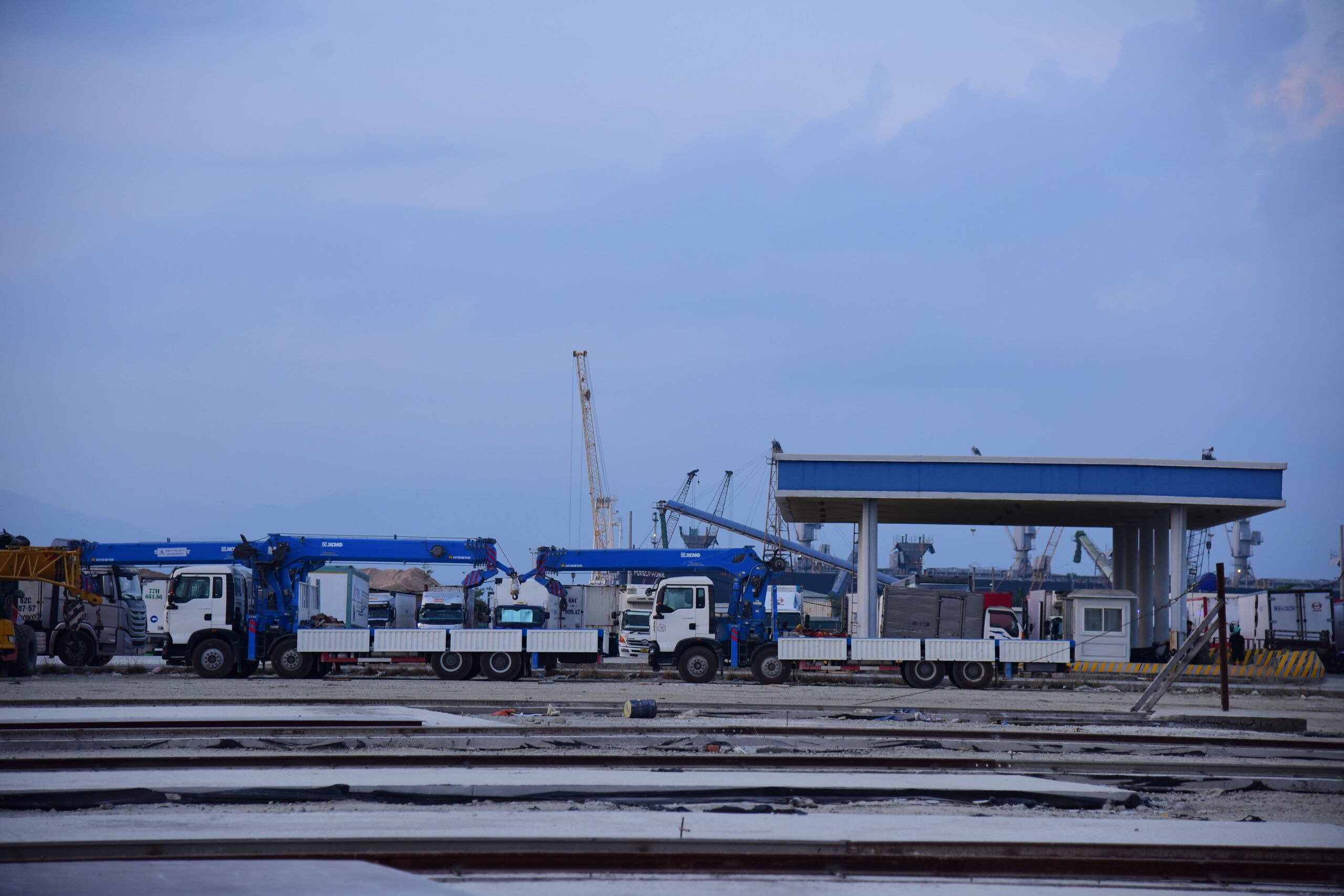
A vehicle speed detection system turns ordinary cameras into an always-on speed monitor, so safety teams find out about speeding trucks, vans, and forklifts when it happens rather than after an incident. AI-based speed cameras are spreading quickly on public roads, and UK police forces have confirmed using them to catch speeding as well as phone use and seatbelt offences. The same idea now fits factories, ports, construction sites, and logistics yards, where mixed traffic of vehicles and pedestrians makes speed one of the most controllable risks.

Photo: Sóc Năng Động / Pexels
How a Vehicle Speed Detection System Works
Most camera-based systems detect and track each vehicle across the image, then calculate speed from how long it takes to cover a known distance. A common method places two virtual lines in the scene, records the time a vehicle crosses each line, and divides the distance between them by the time difference. Because the calculation depends on a known distance, correct calibration, camera angle, and lighting decide how accurate the result is.
Once a vehicle exceeds the speed limit set for that zone, the system raises an alert, stores the event, and makes it available for review. Paired with plate recognition, each event can be linked to a specific vehicle, which turns a vague complaint into a record the site team can act on.
5 Essential Checks Before Choosing a Vehicle Speed Detection System
1. Is the speed limit configurable per zone?
A loading bay, an internal road, and a main gate each need different limits. Make sure the system lets you define zones and thresholds instead of applying one number everywhere.
2. How accurate is it on your actual site?
Ask the vendor to test on your camera positions. Poor angles, rain, glare, and night lighting all affect the result, so a demo on a perfect test road proves little.
3. Can it identify the vehicle?
A speeding alert is far more useful when it names the vehicle. Look for integration with ANPR and vehicle recognition, so every event carries a plate number and timestamp.

Photo: 炀 何 / Pexels
4. Does it work with the cameras you already have?
Many AI analytics run as software on existing video feeds. Confirm whether your current cameras are suitable, or whether specific cameras are needed at speed-measurement points.
5. Does it sit inside a wider safety platform?
Speed is only one part of site safety. When speed events share a dashboard with no-helmet alerts, intrusion detection, and access records, the safety team reviews everything in one place. Collie lists speeding detection among its video analytics modules, alongside the rest of its video analytics suite.
Where a Vehicle Speed Detection System Pays Off
- Ports and container yards: heavy trucks and reach stackers share lanes with ground staff.
- Warehouses and factories: forklifts and delivery vehicles move close to pedestrians.
- Construction sites: tippers and material trucks use temporary haul roads.
- Campuses and large estates: internal roads mix cars, buses, and pedestrians.
For site-wide context, see how these modules work together on industrial sites.

Photo: Igor Passchier / Pexels
Combining Speed Detection with Patrol Robots
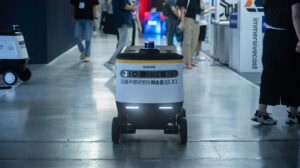
Fixed cameras cover chosen points, but large yards have blind spots. Collie notes that ANPR can clip onto wheeled units such as the iBen robot for yard and gate patrols, extending vehicle recognition beyond a fixed gate. Check with the vendor which detection modules run on which robot before relying on this for speed monitoring.
Practical Tips for a Smooth Rollout
- Set the speed policy first, then configure the system to match it.
- Start with the highest-risk zones and expand after reviewing the first month of events.
- Decide who reviews alerts and what action follows, such as a warning or retraining.
- Tell drivers the system is in place and why, so it supports safety culture rather than surprising people.
- Review the workplace safety guidance in your jurisdiction to align the policy with local expectations.
Frequently Asked Questions
How accurate is a camera-based vehicle speed detection system?
Accuracy depends on calibration, camera angle, lighting, and the distance used for measurement. Ask for validation on your own site rather than relying on brochure figures.
Do I need new cameras?
Not always. Many AI analytics run on existing video feeds, but some measurement points may need better positioning or dedicated cameras.
Can it work without identifying drivers?
Yes. It can log speed events by vehicle or plate. How you link events to drivers is a policy and privacy decision for your organisation.
See Speed Detection Running on Your Site
If speeding vehicles are a recurring concern, test a vehicle speed detection system on your own camera views before committing. Speak with the Collie team about running speed detection, ANPR, and safety analytics on one platform.
Explore Collie speeding detection →
See the full video analytics suite →