
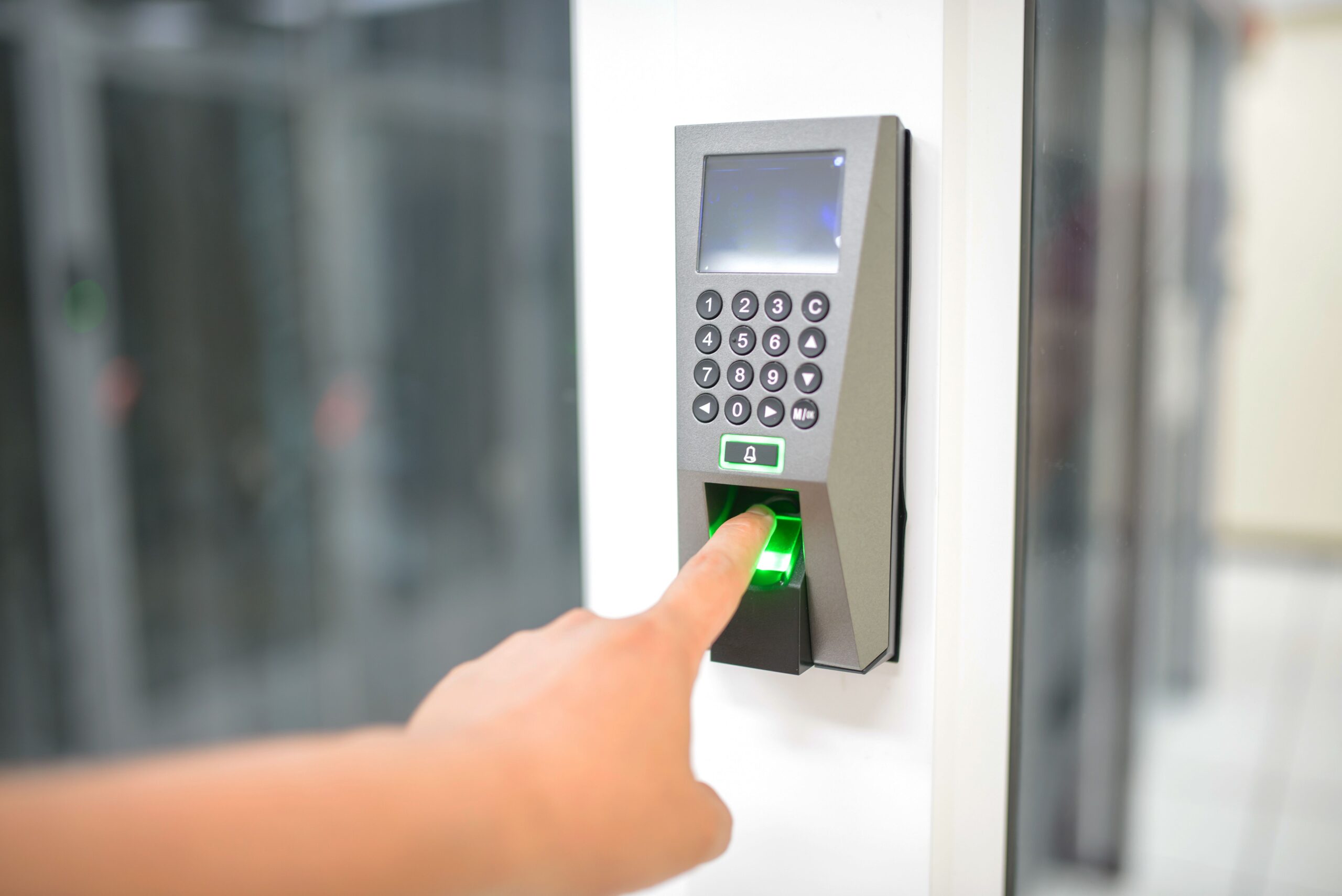
A biometric authentication system Singapore contractors choose today has to do two jobs at once: control who enters the worksite, and feed accurate workforce data into BCA’s Electronic Productivity Submission System (ePSS). Since 1 November 2014, the Building and Construction Authority has required larger construction projects to install a Biometric Authentication System (BAS), and industry sources describe the threshold as a gross floor area of 5,000 m² or more. If your project is close to that size, picking the wrong system can mean manual re-entry, data gaps, and delays at submission time.
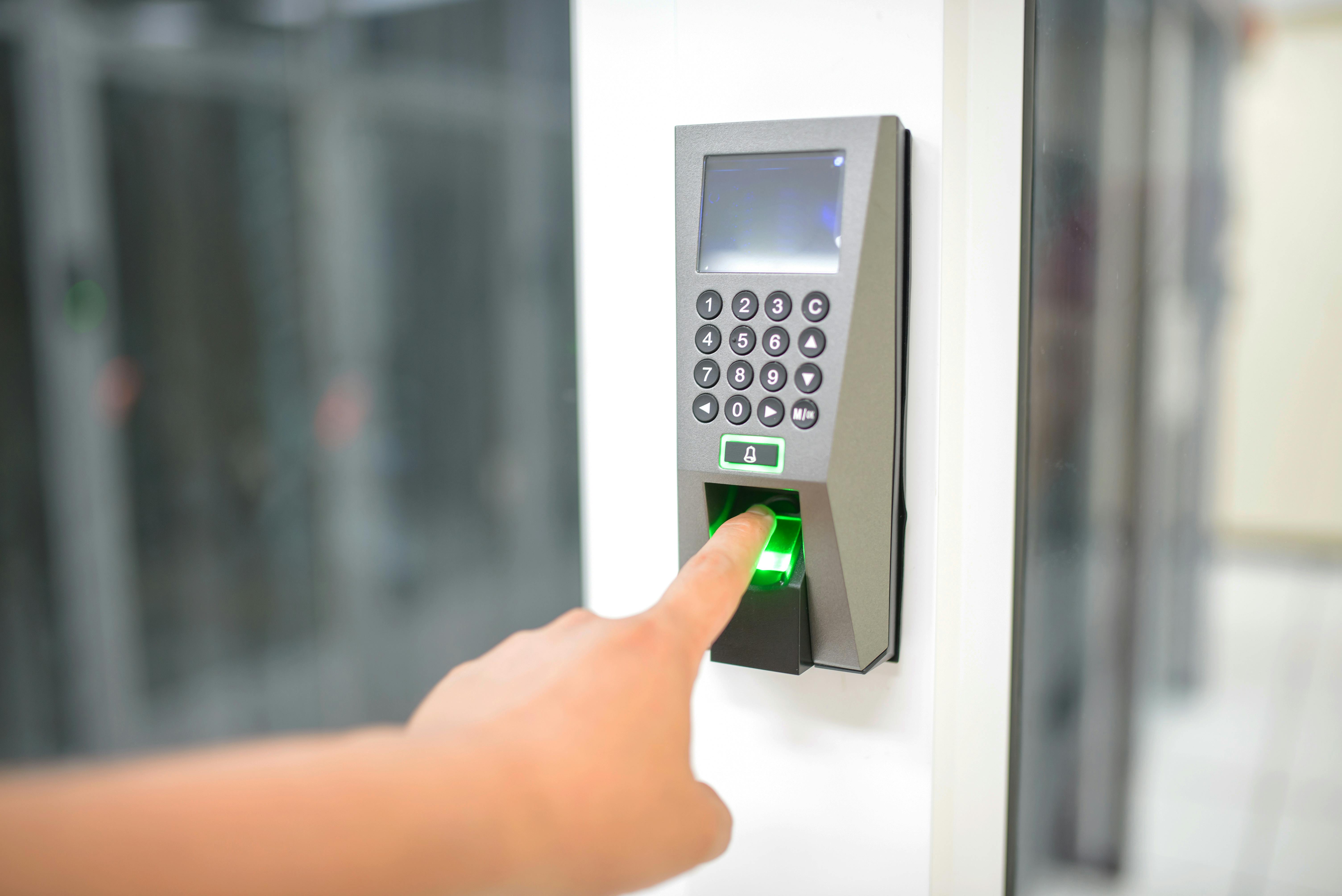
Photo: panumas nikhomkhai / Pexels
What a Biometric Authentication System Singapore Worksites Need Actually Does
A BAS ties each worker’s entry and exit to a biometric identity, such as a fingerprint or face template, rather than a card that can be lent to a colleague. That matters for two reasons. First, the worker count on site is verifiable, which supports safety and manpower reporting. Second, the attendance data can be passed on for ePSS reporting, so the main contractor does not rebuild it by hand each month.
Always confirm the current thresholds, scope, and submission format directly with BCA, because requirements can change and vary by project type.
5 Steps to Choose a Compliant Biometric Authentication System Singapore Projects Can Rely On
1. Confirm whether your project falls under the requirement
Check your gross floor area and project type against BCA’s current criteria before shopping for hardware. Smaller projects may not be required to install a BAS, but many still adopt one for attendance accuracy and safety headcounts.
2. Match the biometric method to site conditions
Fingerprint readers struggle with dirt, cuts, and wet gloves, while facial recognition works contact-free but needs sensible camera placement and lighting. Many sites run a hybrid: faces at the main gate for speed, and fingerprint or card readers at secondary points. Our guide on access control for construction sites compares the options in more detail.
3. Check how the data reaches ePSS
Ask the vendor to show, not describe, how attendance records are produced and exported in the format needed for submission. A system that only logs entries but leaves formatting to your admin team shifts the burden back to you. Collie’s ePSS and BAS compliance solution sits within its Access and Manpower modules, so attendance and access data live on one platform.

Photo: wal_ 172619 / Pexels
4. Plan for turnover and subcontractors
Workers on large sites change constantly. Choose a system where enrolment is quick, access rights can be time-limited, and leavers are removed cleanly. Pair it with attendance and on-site tracking so you always know who is currently inside the site.
5. Handle biometric data properly under the PDPA
Fingerprint and face templates are personal data. Workers should be informed about what is collected and why, and the data should only be used for the stated purpose, with reasonable security and a clear retention period. See guidance from the Personal Data Protection Commission, and ask your vendor where templates are stored and how they are deleted after a worker leaves.
Why a Standalone BAS Often Falls Short
A BAS that only records entries solves the compliance box, but not the wider site picture. Safety teams still need to know whether workers are wearing helmets, whether someone has entered a restricted zone, and which vehicles are on site. Running these on separate systems means separate logins and no single record. A unified platform, like the one described for a Collie construction deployment, keeps access, attendance, and video analytics in one view.

Photo: panumas nikhomkhai / Pexels
Questions to Ask Before You Buy
- Is the system designed around BCA’s BAS and ePSS workflow, or adapted from a generic time clock?
- How fast is verification at peak entry times, and how does it cope with wet or dirty hands?
- Can attendance data be exported without manual rework?
- Where is biometric data stored, and how long is it kept?
- What is the local support response time if a gate device fails?
Frequently Asked Questions
Is a biometric authentication system mandatory for every construction site in Singapore?
No. BCA’s requirement applies to projects meeting its criteria, commonly described as a gross floor area of 5,000 m² or more. Check the current rules with BCA for your project.
What is the difference between BAS and ePSS?
BAS is the on-site system that verifies and records workers. ePSS is the submission system where workforce and productivity data is reported to BCA.
Can facial recognition be used as the biometric method?
Facial recognition is widely used for site access. Confirm with your vendor and with BCA that the chosen method and data output meet the requirements for your project.
Plan Your BAS Before the Site Opens
Choosing a biometric authentication system Singapore regulators and your site team can both work with is easier before the first worker arrives than after. If you are preparing a large project, speak with the Collie team about how access, attendance, and BAS compliance can run on one platform.
See Collie’s ePSS and BAS compliance solution →
Explore worker, staff and visitor management →