ANPR System for Construction Sites in Singapore: Automating Vehicle & Material Delivery Access
Most construction sites in Singapore still log vehicles the same way they did a decade ago: a guard at the gate writing plate numbers into a logbook. It works, until delivery trucks queue up during peak hours, a subcontractor’s vehicle goes unlogged, or a stolen batch of rebar walks out the gate with no record of which vehicle carried it. An ANPR system in Singapore — automatic number plate recognition — replaces that logbook with a camera that reads every plate automatically, logs it instantly, and ties it straight into the rest of your site’s access data.
If you’re evaluating vehicle access control for a construction site, here’s what ANPR actually solves, what it doesn’t, and why it works best as part of a wider platform rather than a standalone camera at the gate.
Why Manual Vehicle Logging Breaks Down on Construction Sites
A logbook at the gate looks manageable when a site first opens. It stops working once the project ramps up, because construction sites have a few things going against manual tracking:
- High vehicle turnover — concrete trucks, material deliveries, subcontractor vans, and worker transport all cycling through the same gate, often in short, overlapping windows
- Peak-hour congestion — a guard manually noting every plate becomes the bottleneck during a morning delivery rush, backing up trucks onto the public road
- Weak accountability — a handwritten log is easy to skip, easy to misread, and near-impossible to cross-reference quickly if something goes missing from site
- No link to the rest of site data — vehicle logs sit in a separate notebook, disconnected from who’s on site, what’s been delivered, or when a specific subcontractor’s fleet came and went
None of this is a guard performance problem — it’s a structural limit of doing high-volume, time-sensitive logging by hand.
What an ANPR System Actually Solves
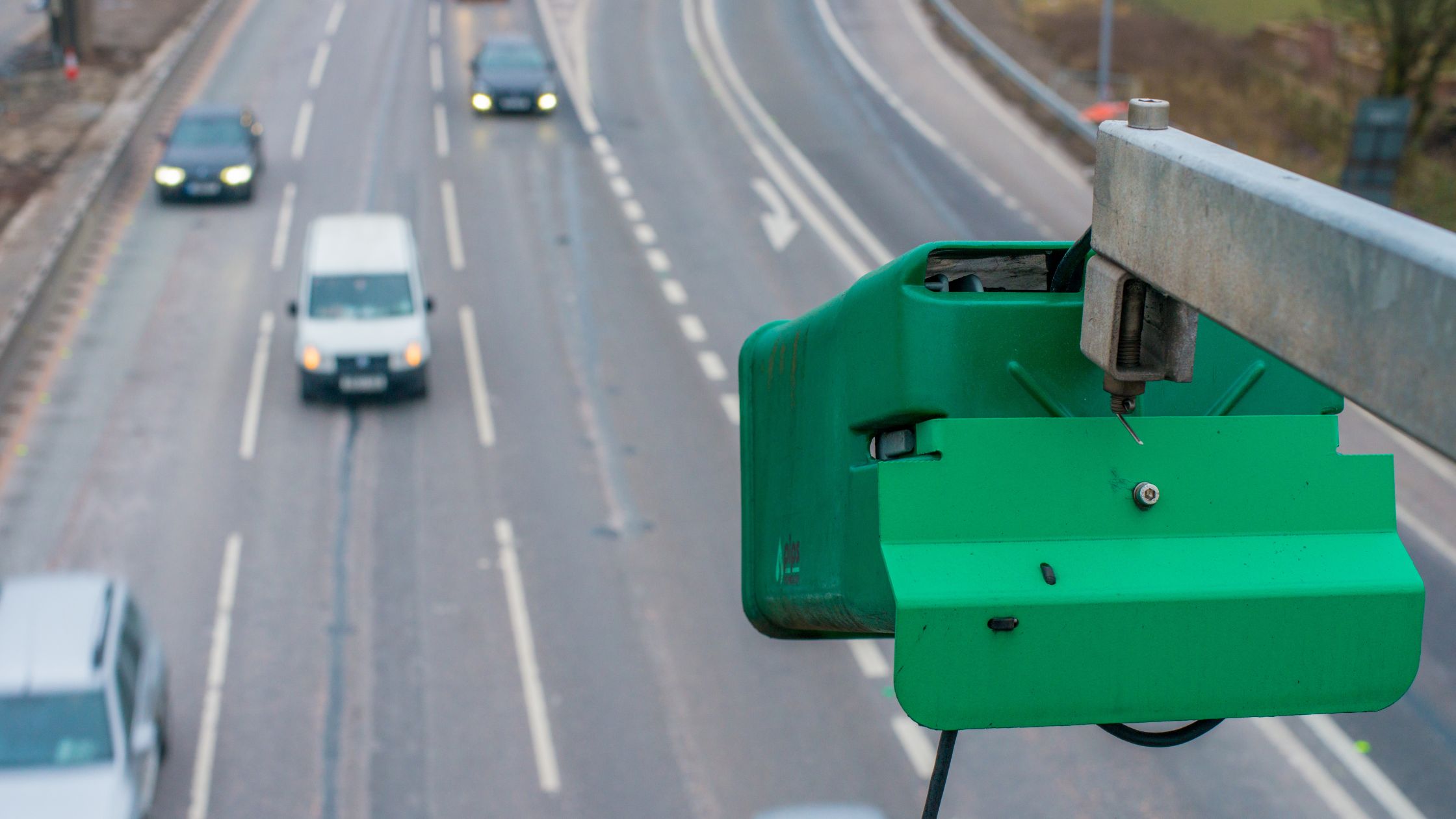
Automatic number plate recognition reads a plate the moment a vehicle approaches the gate and logs it automatically, with no guard input required. On a construction site, that translates into a few concrete gains:
Faster Gate Throughput
Vehicles are recognised and processed in the time it takes to approach the barrier, rather than waiting for a guard to write down a plate number — a meaningful difference when 20+ deliveries are queued during a morning peak.
Automatic Material Delivery Records
Every delivery vehicle’s entry and exit is timestamped automatically, giving procurement and site management a clean, searchable record of when a specific truck arrived — useful for resolving delivery disputes without relying on someone’s memory of “sometime that morning.”
Subcontractor Fleet Accountability
Where different subcontractors bring their own vehicles on site, ANPR gives an automatic record of which vehicles belong to which contractor and when they were on site — without needing a separate manual sign-in process for every vehicle.
A Deterrent Against Equipment and Material Theft
An automatic, timestamped log of every vehicle that entered or left the site is a meaningfully stronger deterrent — and a much better starting point for an investigation — than a logbook that may or may not have been filled in correctly that day.
What ANPR Doesn’t Solve on Its Own
It’s worth being direct about the limits. ANPR reads plates — it doesn’t decide who’s authorised, doesn’t manage worker access, and doesn’t monitor what happens once a vehicle is inside the site. A plate-reading camera bolted onto an otherwise disconnected security setup still leaves you with:
- No link between a logged vehicle and the worker or driver operating it
- No visibility into whether that vehicle is now inside a restricted zone it shouldn’t be in
- A separate system to check when reconciling deliveries against attendance or safety records
This is where ANPR earns its value as part of a platform rather than a standalone gate camera.
Why ANPR Works Best Inside a Unified Site Platform
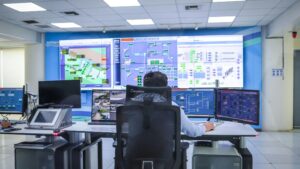
Collie’s ANPR & Vehicle Recognition runs on the same platform as access control, attendance, and AI video analytics — so a logged vehicle entry sits alongside the worker and visitor data for the same day, on the same dashboard. In practice, that means:
- A delivery vehicle’s arrival can be cross-checked against expected deliveries and the workers who received it
- Vehicle logs sit next to Worker, Staff & Visitor Management records, so site management has one timeline of who and what entered the site on a given day
- If a vehicle carrying material moves into a zone it shouldn’t, Human Intrusion Detection and other video analytics modules are already watching that zone on the same system
- For sites also running Access Control Management, gate vehicle data and personnel access data share the same audit trail — one record for an insurer, an auditor, or a MOM safety review, instead of three disconnected logs
For a construction site specifically, that combination matters more than the camera hardware itself — a gate that recognises a plate is only half the picture without the rest of the site’s access data around it.
What to Check Before Adding ANPR to Your Site
- Does it work with your existing gate camera setup, or does it require new hardware at every entry point?
- Does the vehicle log integrate with worker and visitor data, or does it sit as a separate report you have to manually cross-reference?
- Can it flag unrecognised or unauthorised plates automatically, rather than just recording every plate that passes?
- How is vehicle data retained and secured — plate numbers can be linked to individuals, so the same data handling diligence that applies to biometric data should apply here.
- Can it extend to speeding detection or restricted-zone alerts for vehicles moving on site, not just the main gate?
Frequently Asked Questions
Does an ANPR system require replacing existing gate cameras in Singapore?
Not always. Many ANPR deployments can run on suitable existing cameras at the gate, provided resolution and angle are adequate for reliable plate reads; some sites add dedicated ANPR cameras at high-traffic gates for better accuracy in poor lighting or at higher vehicle speeds.
Can ANPR data be linked to worker or subcontractor records?
Yes, when it runs on the same platform as worker and visitor management — this is the main advantage over a standalone plate-reading camera, since a vehicle log means far more when it’s tied to who was operating or receiving that vehicle.
Is ANPR useful for a smaller construction site with fewer deliveries?
It still removes a manual logging task and improves accountability, but the ROI is strongest on sites with high vehicle turnover, multiple subcontractor fleets, or recurring gate congestion during peak delivery hours.
See Vehicle Access Working Alongside Your Site Data
An ANPR camera at the gate is only as useful as the data it connects to. If you’re looking at ways to cut manual gate logging and tie vehicle records into the rest of your site’s access data, it’s worth seeing how that runs on one platform.
Explore Collie’s ANPR & Vehicle Recognition →
See how Collie works for Construction sites →