
Stranger Detection
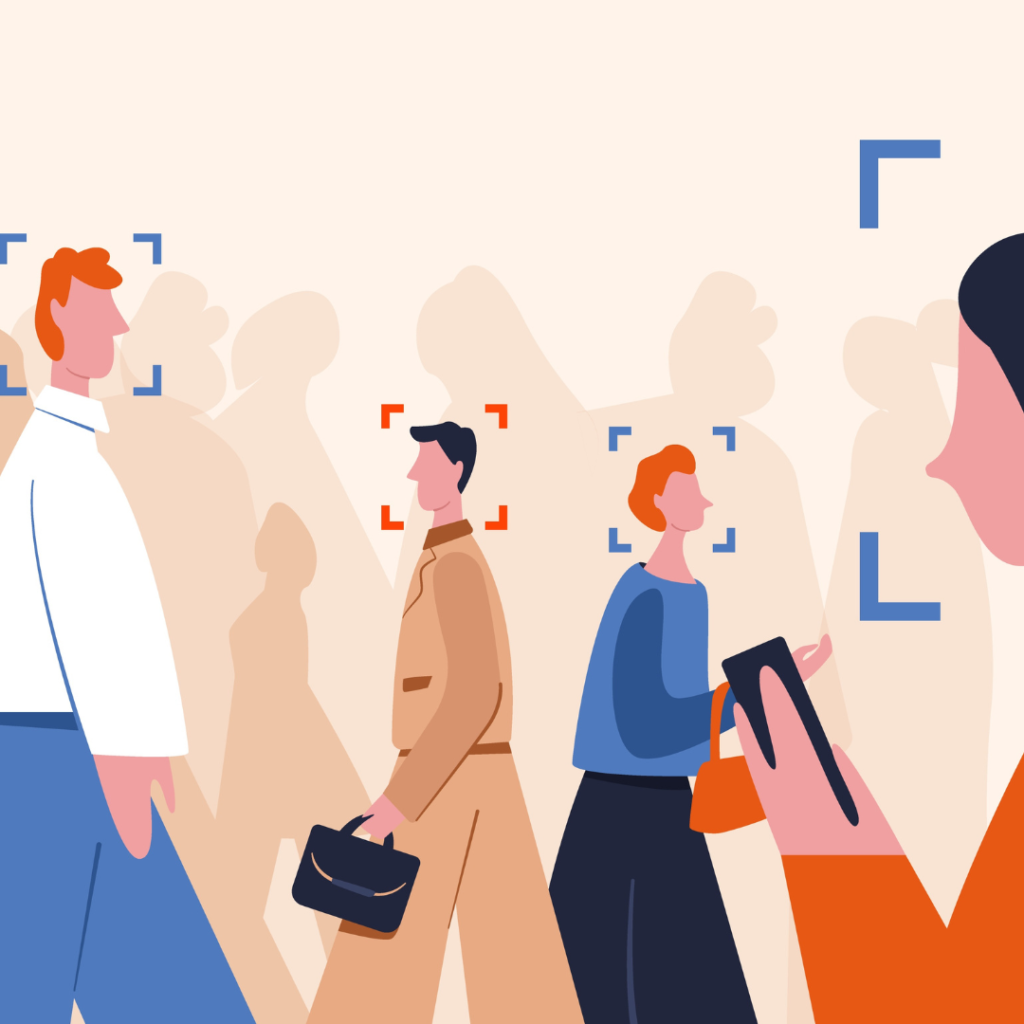
Introducing AI Video Analytics for Stranger Detection: Our system uses smart technology to watch over your space. It can quickly spot unknown people and

Solutions · AI Solutions
A space can go from comfortable to dangerous long before anyone official notices. Crowd Detection reads density in real time across your cameras — not just how many people, but how packed a specific area actually is — and flags overcrowding while there’s still time to act.
Why it matters
Crowd risk builds gradually, then suddenly. Catching it early is the difference between a busy area and a dangerous one.
A public area can fill up gradually over minutes until it’s suddenly well past a safe density, with no single obvious trigger point.
Staff physically counting people across a large open plaza or site can’t keep pace with how quickly a crowd actually moves.
Without density monitoring, the first sign of a problem is often the problem itself — a crush point, not a warning beforehand.
What’s inside
Reads how packed an area is, not just a raw headcount — accounting for how people are distributed across the space.
Set a different safe-density limit per zone — a narrow corridor and an open plaza don’t share the same capacity.
An alert fires the moment a zone crosses its threshold, giving staff time to redirect flow before density climbs further.
See how density built up over an event or a typical day, useful for planning capacity and staffing ahead of time.
How it flows
The camera feed is analysed continuously to estimate density across each defined zone in view.
Each zone’s current density is checked against its own safe threshold, set for that specific space.
Crossing the threshold triggers an immediate alert, so staff can open an additional area.
Fifty people spread across an open plaza and fifty people jammed into a narrow corridor are very different situations. Crowd Detection reads how tightly packed a specific zone is, so an alert reflects an actual safety concern — not just a number that happens to be high.
MOD.03 · Also on the fleet
Large public spaces and construction sites often have blind spots between fixed cameras. A Collie robot can carry the same density analysis into those gaps during events or busy periods, extending coverage exactly where and when it’s needed most.
Where it’s deployed
Plazas, transit stations, and event grounds where density can spike quickly with foot traffic.
Muster points and access areas where overcrowding during shift changes or emergencies is a real risk.
Building entrances and common areas during peak arrival and departure times.
Platforms and concourses where density needs to stay within safe limits during peak hours.
It estimates the number of people in a monitored area in real time, flagging when density crosses a threshold you’ve set for that space.
Overcrowding in reception areas, gates, or public spaces raises both safety and service risks; catching it early lets staff redirect flow before it becomes a bottleneck or hazard.
Yes, Crowd Detection is commonly configured against a maximum occupancy figure, so an alert fires automatically if a zone exceeds its safe capacity.
Each camera or zone is tracked independently, so density in a lobby, a loading dock, and a public square can each be monitored against its own threshold.
Yes – mobile units can count crowds along a patrol route, useful for large or open sites like smart city deployments where fixed cameras can’t cover every angle.

Introducing AI Video Analytics for Stranger Detection: Our system uses smart technology to watch over your space. It can quickly spot unknown people and
Tell us about your space and typical foot traffic, and we’ll show you where density thresholds would help most.