Use Cases · IoT Sensors

Air Quality Monitoring

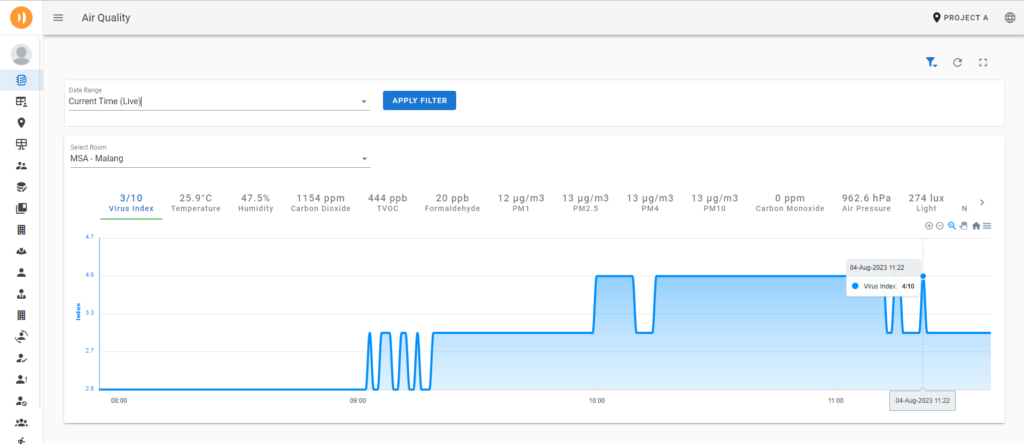
Bad air doesn’t announce itself. Collie’s IoT sensors read CO2, PM2.5, PM10 and more in real time, turn them into a history you can trend over weeks, and raise an alert the moment a reading crosses the line you set.

Collie Air Quality Monitoring System Interface

The risk you can't see

Poor air quality builds up quietly — no smell, no smoke, no obvious sign — until it’s already affected the people breathing it.

Invisible until it's a problem

Without sensors, poor ventilation, dust, or off-gassing chemicals go unnoticed until someone complains — or gets sick.

No historical picture

A single reading tells you almost nothing. Knowing whether air quality is trending up or down over weeks is what actually informs a decision.

Manual, after-the-fact checks

Periodic spot-checks miss the spikes that happen in between — exactly when an automatic alert would matter most.

Every index that matters indoors

One sensor, several pollutant indexes — read together, not in isolation.

CO₂

Carbon Dioxide

A proxy for ventilation — rising CO2 usually means stale, under-circulated air.

PM2.5

Fine Particulates

Fine particles small enough to be inhaled deeply — from traffic, dust, or combustion.

PM10

Coarse Particulates

Larger airborne particles, often from construction dust or outdoor pollution entering a space.

TVOC

Volatile Compounds

Off-gassing from paint, cleaning products, and furnishings, tracked as a single combined index.

How it flows

Sense. Trend. Alert.

01

Sense

IoT sensors sample CO2, PM2.5, PM10 and other indexes continuously, without anyone needing to walk over and check.

02

Trend

Readings build into a history, so short-term spikes and long-term drift both become visible on the same graph.

03

Alert

The moment a reading crosses the threshold you set, the right people get notified — before it becomes a bigger problem.

The same sensor, riding a patrol route

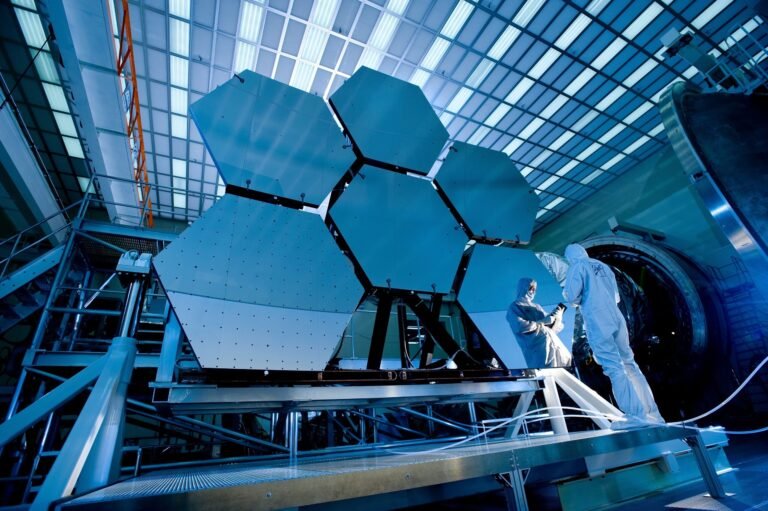
Fixed sensors cover fixed points. A Collie robot carries the same air quality sensing down aisles, into corners, and through areas that don’t have a wall to mount a sensor on — feeding the same dashboard, the same thresholds, the same alerts.

Air quality monitoring system tracking PM2.5, CO2, temperature and humidity

Where it’s deployed

Anywhere the air matters

Industrial Sites

Worker and visitor access history tied to on-site safety and PPE compliance

Pharmaceutical

Environmental monitoring for storage areas where air quality ties directly to compliance.

Offices

CO2 and ventilation tracking to keep meeting rooms and open floors comfortable.

Construction

Dust index monitoring near cutting, grinding, and demolition zones.

Frequently Asked Questions (FAQ)

What does Air Quality Monitoring actually measure?

It tracks indoor and outdoor environmental readings such as particulate matter, CO2, temperature, and humidity, feeding live data into the same dashboard as your other Collie modules.

Can it alert staff when air quality drops below a safe level?

Yes – thresholds can be configured so the system raises an alert the moment a reading crosses into an unsafe range, instead of waiting for a scheduled check.

Where are air quality sensors typically installed?

Sensors are placed in enclosed process areas, workspaces, and high-traffic zones – anywhere air quality is expected to vary, such as near loading docks or production floors.

Can air quality data be reviewed historically?

Readings are logged over time, so you can review trends by location and time of day rather than only seeing the current snapshot.

Does this feed the Collie robot fleet as well?

Yes – the same air quality sensing module runs whether the sensor is wall-mounted or riding on a patrolling robot, so mobile units can extend coverage to areas without fixed sensors.

Related Article

Know what's in the air before it's a problem

Tell us about your site — we’ll show you which pollutants matter most and what thresholds make sense.