If you’re a safety manager or HSE officer at an industrial or construction site in Singapore, you already know the problem with manual CCTV monitoring: you can’t watch 40 camera feeds at once, and by the time someone reviews the footage, the incident has already happened. This is exactly the gap AI video analytics in Singapore is being adopted to close turning passive CCTV recordings into a live, automated workplace safety monitoring system that flags a hazard the moment it happens, not after.
This guide breaks down the specific use cases HSE teams are deploying right now, what kind of ROI to expect, and — importantly — whether you need to rip out your existing CCTV to get there.
Why Manual CCTV Monitoring Doesn’t Scale for Safety
Most sites already have cameras. The problem was never coverage — it’s attention. A guard or safety officer watching a bank of monitors is realistically catching a fraction of what happens on site, especially:
- Outside peak hours or during shift changes, when supervision is thinnest
- Across multiple simultaneous work zones on a large site
- For incidents that unfold in seconds, like a worker entering a restricted zone or removing a helmet
Under the Workplace Safety and Health Act, employers carry a general duty of care and are expected to proactively identify hazards and implement controls — not just react after an incident is reported. That expectation is difficult to meet with human eyes alone on a large or high-risk site, which is why AI-based detection has moved from “nice to have” to a genuine risk-management tool for HSE teams.
Key AI Video Analytics Use Cases for Workplace Safety
无头盔检测
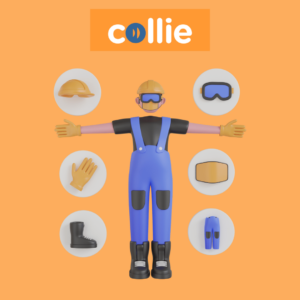
The system continuously scans live camera feeds for workers in designated zones and flags anyone without a helmet in real time — an alert reaches the safety officer or site supervisor within seconds, rather than being discovered during a post-incident review. This directly supports PPE compliance enforcement without needing a dedicated marshal stationed at every zone.
Human Intrusion Detection
Restricted areas — hoisting zones, confined spaces, live electrical rooms, or after-hours perimeters — can be monitored for unauthorised entry. The system distinguishes a person crossing a virtual boundary from routine background movement, triggering an immediate alert rather than relying on someone noticing it on a monitor.
Loitering Detection
Flags when someone remains in a sensitive area — a stairwell, loading bay, or storage zone — longer than expected. This is useful both for safety (a worker who has collapsed or is in distress) and for security (unauthorised presence near valuable equipment or materials).
人群检测
Automatically counts and flags when the number of people in a zone exceeds a safe threshold — relevant for confined spaces, lift lobbies, or muster points during an evacuation, where overcrowding itself becomes a hazard.
烟雾探测
Camera-based smoke recognition can catch early visual signs of fire risk in areas without a physical smoke detector — useful for outdoor zones, temporary structures, or large open spans where traditional detectors are impractical or slow to trigger.
Each of these runs as a rule on top of existing video feeds — the value isn’t a new camera, it’s the automated attention layered on top of footage that was previously only reviewed after something went wrong.
The ROI Case: Faster Incident Response, Fewer Manual Checks
The business case HSE teams bring to management usually comes down to one number: how much faster can the site respond once something goes wrong.
- Before: an incident is discovered when someone notices it, reviews footage after the fact, or waits for a scheduled patrol to pass through — response can lag by minutes or longer.
- After: an automated alert reaches the relevant supervisor in real time, the moment a rule is triggered a no-helmet entry, an intrusion, an overcrowded zone.
That reduction in response time is the core ROI driver, alongside two secondary gains most sites report:
- Fewer man-hours spent on manual monitoring — safety personnel shift from watching screens to acting on alerts, freeing them up for site walks and higher-value safety tasks.
- A defensible audit trail — every detection is logged with a timestamp, useful for incident investigations, insurer requirements, and demonstrating proactive risk management if MOM ever audits the site.
Do You Need to Replace Your CCTV? (Usually, No)
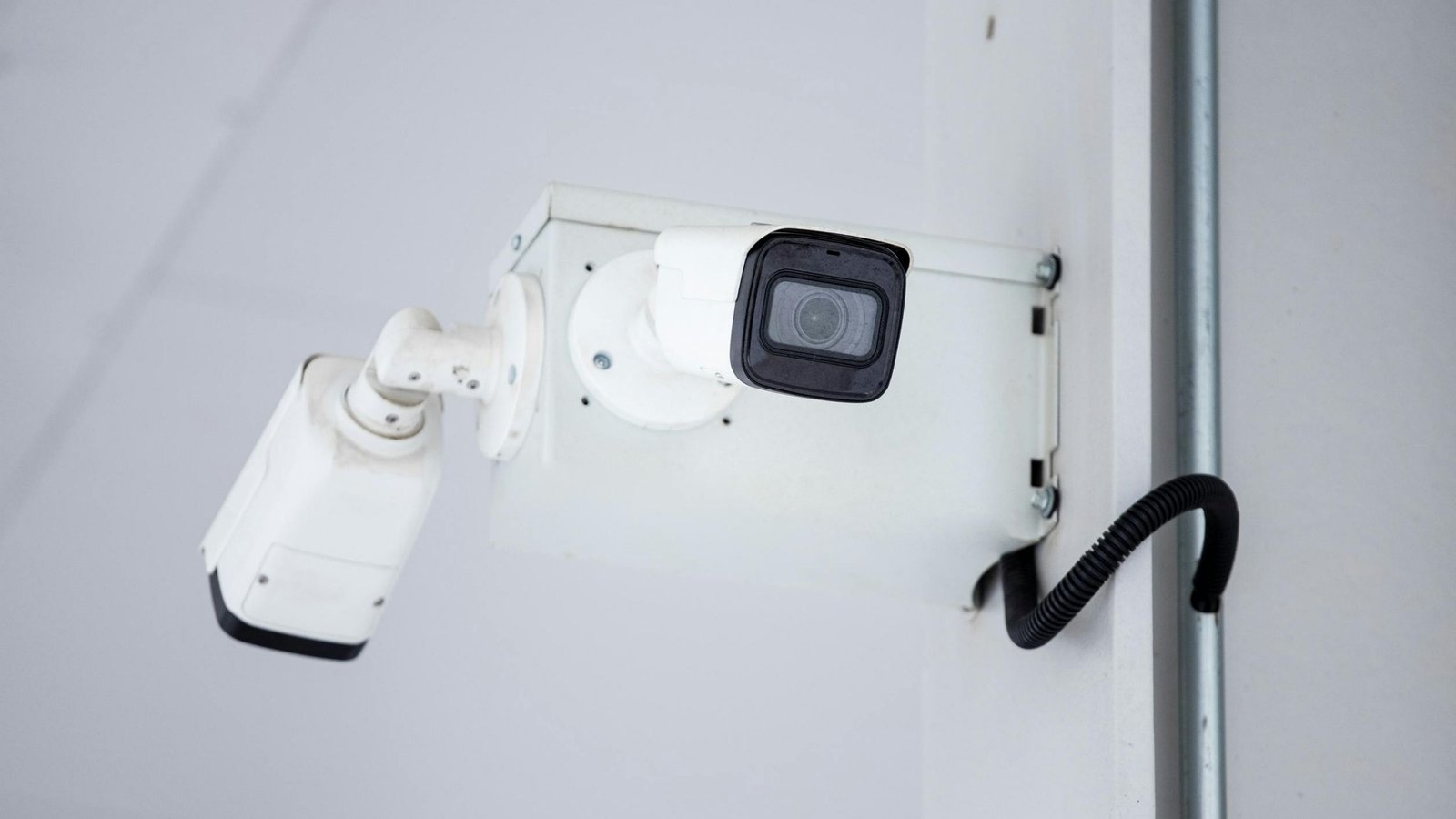
This is the question that stalls most projects before they start and it’s usually based on a wrong assumption. AI video analytics is a software layer that runs on top of a video feed; it doesn’t require ripping out and replacing existing cameras in most cases. If your current CCTV resolution and camera placement are reasonable for the zones you want to monitor, the analytics engine can typically be layered on without a full infrastructure overhaul.
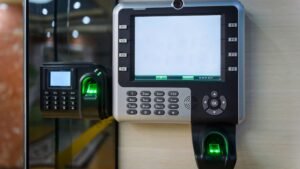
Collie’s Video Analytics is built around this principle the detection modules (无头盔检测, 人类入侵, 人群检测, Loitering Detection, and 烟雾探测) run on the same Collie platform that also covers access control, attendance, and IoT sensors — so a safety alert, an access breach, and an attendance record all show up on one dashboard instead of three disconnected systems.
What to Check Before You Buy
If you’re evaluating vendors for a workplace safety monitoring system in Singapore, a few questions will separate a genuinely useful system from one you’ll shelve within a year:
- Does it work with your existing cameras, or does the quote assume a full hardware replacement?
- How are alerts routed — to a mobile app, a control room, a dashboard — and can routing be customised per zone or shift?
- Can detections feed into a single audit trail alongside access control and attendance, or will you still be pulling logs from separate systems during an incident review?
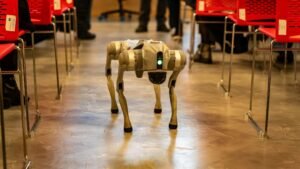
- Can the same platform add ANPR, IoT sensors, or robotic patrol later without starting over on a new system?
- What’s the false-alert rate in real site conditions — dust, poor lighting, and rain are common causes of false positives if the system wasn’t tuned for outdoor industrial environments.
See It Running on Your Site’s Footage
The fastest way to evaluate AI video analytics is against your own cameras and your own site conditions, not a demo reel. If you’re weighing this up for an industrial or construction site in Singapore, it’s worth checking what’s possible with the cameras you already have.
Explore Collie’s Video Analytics → See No Helmet Detection in detail → See Human Intrusion Detection in detail →