规划物联网驱动的工作场所安全策略
Industrial IoT (Internet of Things) technology works by connecting smart devices to local networks, which gather data about their surroundings. This data is

Use Cases · IoT Sensors
A worker in a hot warehouse, or alone on a remote site, can go from fine to in trouble faster than a scheduled check-in would catch. Health Monitoring reads vital signs from a wearable in real time and raises an alert the moment something looks abnormal — before it becomes an emergency.
Why it matters
Periodic welfare checks assume trouble waits until someone shows up. Heat stress and overexertion don’t work that way.
Dust, shading, and ageing cells reduce output gradually — nothing dramatic enough to trigger a manual inspection on its own.
A worker alone on a site or in a remote area has no one nearby to notice if something’s wrong.
Even well-run welfare check schedules leave gaps of minutes or hours — gaps where an abnormal condition can go unnoticed.
What it tracks
The dashboard zooms from a single total-output number all the way down to the specific panel that needs attention.
Continuous beats-per-minute reading, flagged when it climbs or drops outside a normal working range.
Skin or core temperature trend, an early signal for heat stress in hot or physically demanding environments.
Oxygen saturation reading, useful in environments with dust, fumes, or confined spaces.
Movement and activity intensity, combined with vitals to tell sustained hard work apart from a genuine health event.
What’s inside
Live readings for every worker wearing a device, displayed together so a supervisor can see the whole team at a glance.
Lightweight, worn on the wrist or as a badge — designed to be part of daily kit, not an extra burden.
When a reading moves outside its expected range, an alert reaches the right supervisor immediately — with the worker’s last known location.
Vitals are tied to the same Worker or Staff record used across Collie — no separate system to manage identities twice.
How it flows
A worker puts on a wearable device at the start of their shift — no setup, no configuration required from them.
Vitals stream continuously to the dashboard, compared against a normal working range for the conditions and the task.
A reading outside the expected range triggers an immediate alert to the supervisor, with location so help can be sent fast.
Health Monitoring is built to flag conditions worth a closer look during work — heat stress, overexertion, unusual readings — so a supervisor can respond quickly. It’s a workplace safety layer, not a diagnostic or clinical monitoring device, and any abnormal alert should be followed up through your site’s normal medical and emergency response procedures.
Platform-wide · Faster response
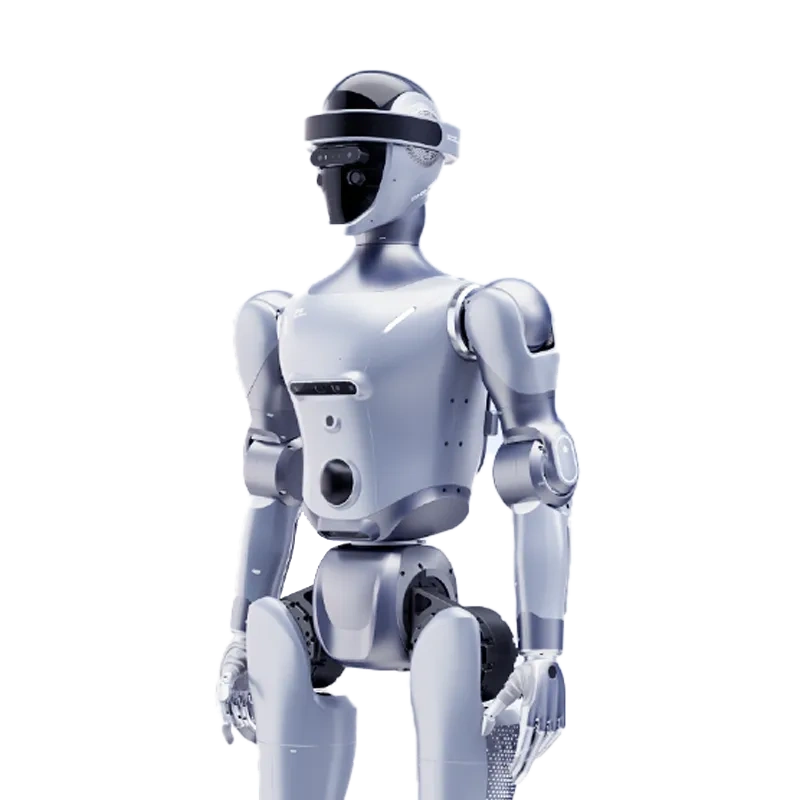
Because Health Monitoring shares the same platform as Collie’s Asset & Personnel Tracking, an abnormal alert arrives with the worker’s last known position on the floor plan — and on sites using a robot, it can be the fastest way to reach them first.
Where it’s deployed
Heat stress monitoring in warehouses, foundries, and other high-exertion environments.
Outdoor and lone-worker monitoring across sites with limited direct supervision.
Staff fatigue and wellbeing tracking during long or physically demanding shifts.
Solo or small-crew workers operating away from a central site with no one nearby.
It captures basic health-related readings – such as body temperature – at entry points or checkpoints, useful for screening and duty-of-care reporting.
No – Health Monitoring is a Collie site-level checkpoint feature, while VANDA is Magicsoft’s separate, full clinic management platform for hospitals and clinics; the two can complement each other.
Yes, thresholds can be set so an out-of-range reading notifies the relevant supervisor or health officer instead of requiring someone to review every log manually.
Health readings feed into the same access-controlled Collie dashboard as other site data, under the same information security practices covered by Magicsoft’s ISO 27001 certification.
It’s most common at hospital and industrial site checkpoints, where a quick, contactless reading at entry is part of a broader access or safety routine.

Industrial IoT (Internet of Things) technology works by connecting smart devices to local networks, which gather data about their surroundings. This data is

This feature is new and rolling out to early sites. Tell us about your team’s working conditions and we’ll be in touch about early access.