
Use Cases · Case Study
In a pharmaceutical facility, a few degrees of drift in a storage room or an unlogged entry into a clean area isn’t a minor detail — it’s a compliance issue. Here’s how four Collie modules combine into one system that keeps environmental conditions, access, and records exactly where GMP requires them.
The Site
A pharmaceutical facility runs storage rooms, clean areas, and production equipment where temperature, humidity, and access aren’t just operational details — they’re the difference between a compliant batch and a failed one. GMP standards expect continuous evidence, not a spot-check once a shift.
This is the profile Collie is built for: environmental and access data collected automatically, in a form that’s ready when an auditor asks for it.
The challenge
Temperature and humidity logged by hand once or twice a shift miss the drift that happens in between — exactly when a batch is most at risk.
A “restricted access” sign on a clean room door doesn’t stop anyone — it needs to be actively enforced and logged.
Environmental logs, access records, and equipment status lived in separate systems, turning every audit into a scramble to assemble evidence.
The deployment
Each module runs independently, but all four report into the same Collie dashboard.
Sensors across storage rooms and clean areas track temperature, humidity, and air quality continuously, not just at shift checks.
Facial recognition restricts clean rooms and storage areas to authorised personnel only, with every pass logged automatically.
Production and storage equipment is watched for anomalies, since downtime here directly affects batch schedules and release timelines.
Environmental readings, access history, and attendance all sit in one system, ready to export whenever a regulatory review calls for evidence.
How it comes together
The same loop that runs across all of Collie, applied to one pharmaceutical facility.
Sensors, cameras, and access devices report continuously — room conditions, who entered where, and how equipment is running.
Each module applies its own rules — a temperature drift, an unrecognised face near a clean room, an equipment anomaly.
QA and facilities staff get an alert the moment it matters, and every event — across all four modules — lands in one auditable record.
What changes
Not a single big number — a set of daily improvements that add up to a stronger compliance posture.
CONDITIONS
Continuous monitoring replaces spot-checks, catching a problem before it affects a batch.
ACCESS
Only authorised personnel pass, and every entry is logged automatically.
EQUIPMENT
Anomalies get flagged before they turn into downtime that delays a batch.
AUDITS
Records are already in one place, ready to hand over when a review comes around.
GMP compliance depends on records that can be trusted and retrieved, not just a system that reacted correctly in the moment. Collie keeps environmental readings, access logs, and equipment events as a continuous, timestamped history — the kind of documentation an internal QA review or an external audit actually needs.
Where robots fit
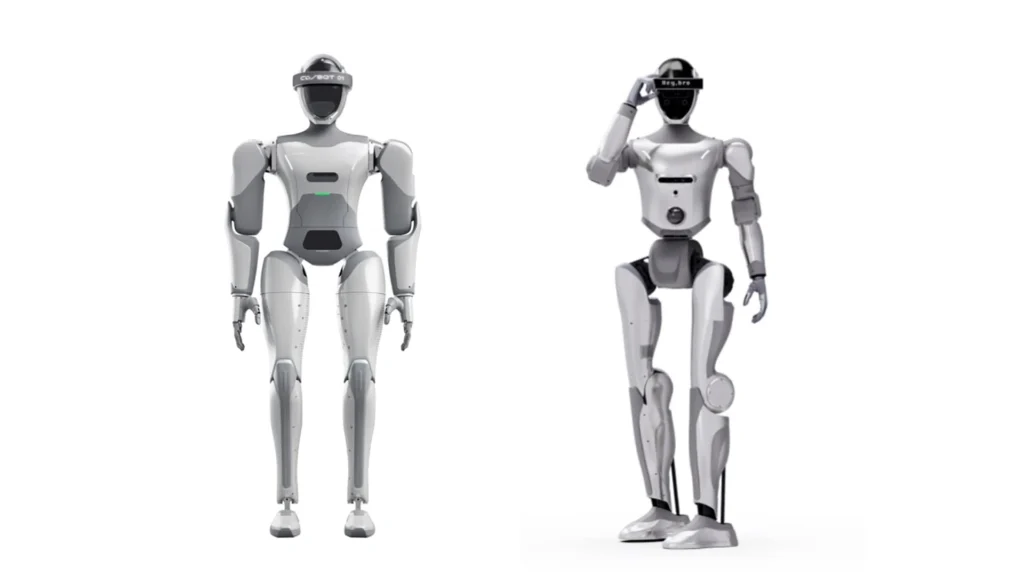
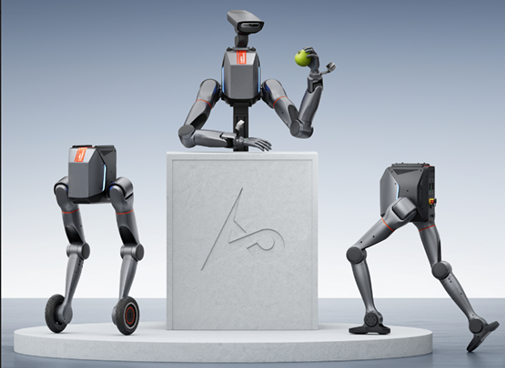
On larger facilities, a Collie robot can carry environmental sensing through storage areas and corridors on a fixed patrol route, reducing how often a person needs to enter a controlled area just to take a reading.
Tell us about your facility — what you’re already monitoring, and what still relies on a manual check — and we’ll map out which modules fit.